
Courts: ITAT Delhi
6,393 articlesIncome Tax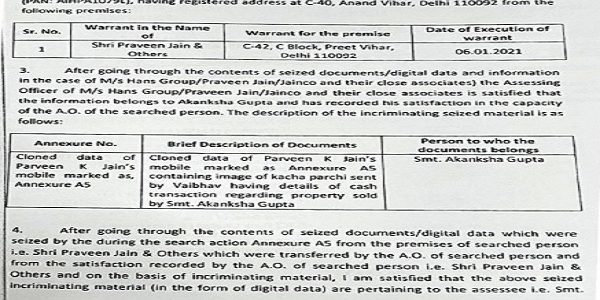
Income Tax
ITAT Delhi Holds Section 143(3) Assessment Invalid Where Section 153C Applied
Income Tax
Income Tax
ITAT Delhi Upholds CUP for Royalty as Consistent with Earlier Rulings
Income Tax
Income Tax
ITAT Delhi Upholds Rs.8.50 Lakh LTCG Addition on Fresh Section 54 Claim
Income Tax
Income Tax
ITAT Delhi Quashes Search Assessment as Time-Barred Under Section 153C
Income Tax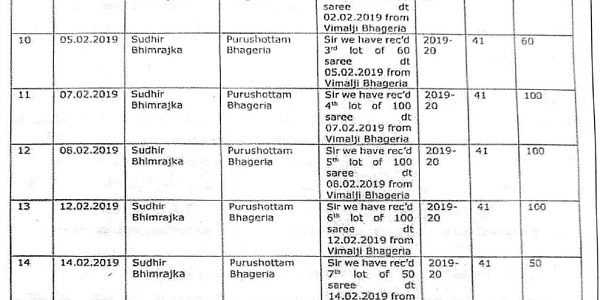
Income Tax
ITAT Delhi Deletes ₹5.90 Crore Section 68 Addition for Lack of Evidence
Income Tax
Income Tax
ITAT Delhi Quashes 54F Disallowance Beyond Limited Scrutiny Scope, Upholds Revised Return
Income Tax
Income Tax
ITAT Delhi Deletes Section 69B Jewellery Addition for Items in Siblings’ Locker
Income Tax
Income Tax
ITAT Delhi Quashes Section 153C Assessments for Invalid Satisfaction & Limitation
Income Tax
Income Tax
ITAT Delhi: Leftover Material Sales Supported by GST Records Cannot Attract Section 69A
Income Tax
Income Tax
ITAT Deletes ₹4.34 Lakh Addition Where Foreign Currency Belonged to Sister-in-Law
Income Tax
Income Tax
Delhi ITAT: Section 44AD Cannot Be Forced Without Assessee’s Option
Income Tax
Income Tax
Delhi ITAT Quashes Reassessment for No Section 143(2) Notice, Section 292BB Inapplicable
Income Tax
Income Tax
Delhi ITAT Deletes ₹7.15 Crore Protective Addition After Substantive Assessment Quashed
Income Tax
Income Tax

