
Courts: ITAT Delhi
Find latest ITAT Delhi judgments, orders and case laws on income tax covering assessments, transfer pricing, international taxation, deductions, TDS, reassessment and penalties.

ITAT Delhi Upholds Fictitious Derivative Loss Disallowance, Remands Reopening Issue
ITAT Delhi Remands Expense Disallowance for Fresh Assessment After Business Transfer
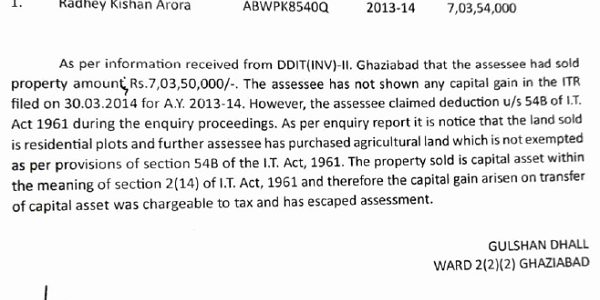
ITAT Delhi Quashes Reopening Where No Addition Was Made on Recorded Reasons

ITAT Delhi Quashes Section 263 Revision for Inadequate Inquiry by AO
ITAT Delhi Restricts 100% Section 40(a)(i) Disallowance to 30% Under DTAA
ITAT Deletes ₹2.43 Crore Addition, Share Trading Loss Not Taxable Under Section 68

No Bar for Bengali Hindu to Form HUF Under Dayabhaga Law: ITAT Deletes Addition
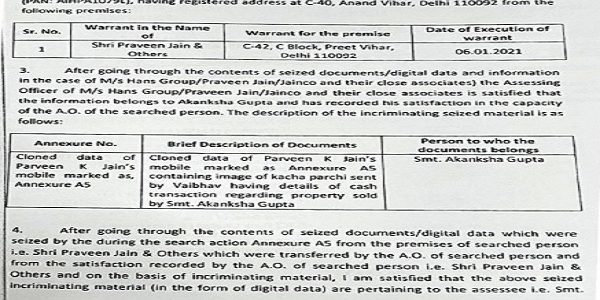
ITAT Delhi Holds Section 143(3) Assessment Invalid Where Section 153C Applied
ITAT Delhi Upholds CUP for Royalty as Consistent with Earlier Rulings
ITAT Delhi Upholds Rs.8.50 Lakh LTCG Addition on Fresh Section 54 Claim
ITAT Delhi Quashes Search Assessment as Time-Barred Under Section 153C
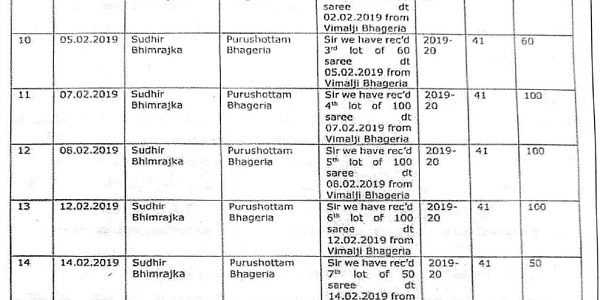
ITAT Delhi Deletes ₹5.90 Crore Section 68 Addition for Lack of Evidence
ITAT Delhi Quashes 54F Disallowance Beyond Limited Scrutiny Scope, Upholds Revised Return
ITAT Delhi Deletes Section 69B Jewellery Addition for Items in Siblings’ Locker
ITAT Delhi judgments and orders constitute a substantial body of appellate case law under the Income-tax Act. This page compiles ITAT Delhi decisions concerning assessments, additions, deductions, exemptions, business income, capital gains, transfer pricing, international taxation, TDS, reassessment, unexplained income, penalties, limitation and procedural disputes. Companies, individuals, Chartered Accountants, advocates and tax professionals can use this collection to research Tribunal precedents relevant to income-tax matters. TaxGuru brings together recent and significant earlier ITAT Delhi judgments and orders, providing a convenient resource for following developments in direct tax jurisprudence and researching recurring issues arising in assessments and appeals.

