
Courts: ITAT Delhi
Find latest ITAT Delhi judgments, orders and case laws on income tax covering assessments, transfer pricing, international taxation, deductions, TDS, reassessment and penalties.

Delayed Transfer of Seized Material Invalidates Seven Section 153C Assessments: ITAT Delhi
Form 26A Protection Requires Fresh Examination of NOIDA Lease Rent: ITAT Delhi
Contractor Non-Compliance Cannot Justify Arbitrary 30% Expense Disallowance: ITAT Delhi
Section 69 Addition Unsustainable After Primary Loan Evidence Furnished: ITAT Delhi
₹25 Lakh Leave Encashment Ceiling Applied for AY 2020-21: ITAT Delhi
ITAT Delhi Deletes Section 69A Addition on Locker Cash
ITAT Delhi Deletes Section 270A Penalty for Fully Disclosed Disputed Treaty Income
ITAT Delhi Allows Full Section 10(10B) Exemption on BSNL VRS Compensation
Offshore maintenance services not FIS under India-US DTAA: ITAT Delhi
Pending SLP Does Not Dilute Binding Delhi HC Ruling on Section 153C Limitation: ITAT Delhi
No TDS Under Section 194I on EDC Paid to HUDA: ITAT Delhi
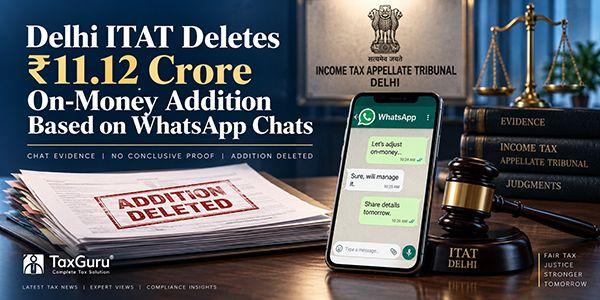
Delhi ITAT Deletes ₹11.12 Crore On-Money Addition Based on WhatsApp Chats
Profit Below ₹50 Lakh Bars Reopening Beyond 3 Years: ITAT Delhi
Bogus Purchases & Sales Cannot Justify Entire Purchase Addition; 5% GP Applied: Delhi ITAT
ITAT Delhi judgments and orders constitute a substantial body of appellate case law under the Income-tax Act. This page compiles ITAT Delhi decisions concerning assessments, additions, deductions, exemptions, business income, capital gains, transfer pricing, international taxation, TDS, reassessment, unexplained income, penalties, limitation and procedural disputes. Companies, individuals, Chartered Accountants, advocates and tax professionals can use this collection to research Tribunal precedents relevant to income-tax matters. TaxGuru brings together recent and significant earlier ITAT Delhi judgments and orders, providing a convenient resource for following developments in direct tax jurisprudence and researching recurring issues arising in assessments and appeals.

