
Courts: ITAT Delhi
Find latest ITAT Delhi judgments, orders and case laws on income tax covering assessments, transfer pricing, international taxation, deductions, TDS, reassessment and penalties.

Passenger Service Fee Attracts TDS Under Section 194C, Not 194J: ITAT Delhi
Section 68 Addition Invalid When Sale Receipt Already Declared and Taxed: ITAT Delhi
₹140.87 Cr Forex Hedging Loss Linked to Export Business Is Non-Speculative & Deductible: ITAT Delhi
Section 143(1) Demand Cannot Survive After Merger With Section 143(3) Assessment: ITAT Delhi
Missing Irrevocability and Dissolution Clauses Cannot Deny 12AB Registration: ITAT Delhi
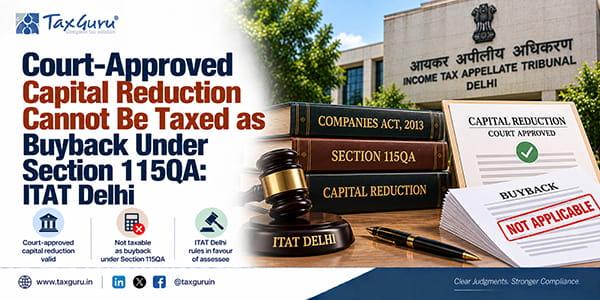
Court-Approved Capital Reduction Cannot Be Taxed as Buyback Under Section 115QA: ITAT Delhi
Section 244A Refund Interest Taxed at 10% Under India-Netherlands DTAA: ITAT Delhi
ServiceNow Subscription Receipts Not FTS Under India-Netherlands DTAA: ITAT Delhi
Third-Party Search Material Required Section 153C Route for LTCG Addition: ITAT Delhi
No Section 153A Addition Without Incriminating Search Material: ITAT Delhi
Inoperative PAN Higher TDS Demand Remanded for Fresh Verification: ITAT Delhi
Leasing School Property Without Own Educational Activity Cannot Secure Section 12A Registration: ITAT Delhi
EDC Attracts Section 194C TDS; Administrative Charges Remanded: ITAT Delhi
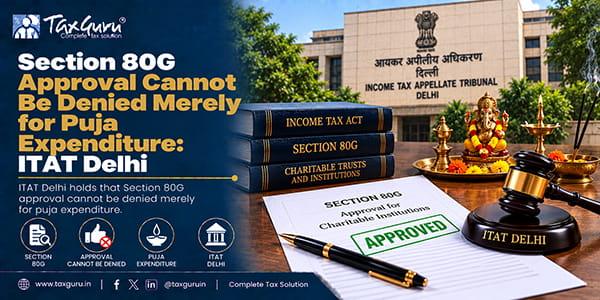
Section 80G Approval Cannot Be Denied Merely for Puja Expenditure: ITAT Delhi
ITAT Delhi judgments and orders constitute a substantial body of appellate case law under the Income-tax Act. This page compiles ITAT Delhi decisions concerning assessments, additions, deductions, exemptions, business income, capital gains, transfer pricing, international taxation, TDS, reassessment, unexplained income, penalties, limitation and procedural disputes. Companies, individuals, Chartered Accountants, advocates and tax professionals can use this collection to research Tribunal precedents relevant to income-tax matters. TaxGuru brings together recent and significant earlier ITAT Delhi judgments and orders, providing a convenient resource for following developments in direct tax jurisprudence and researching recurring issues arising in assessments and appeals.

