
Courts: ITAT Delhi
Find latest ITAT Delhi judgments, orders and case laws on income tax covering assessments, transfer pricing, international taxation, deductions, TDS, reassessment and penalties.

ITAT Delhi Deletes Rs 10.13 Crore Bogus Purchase Disallowance Based on Mere Allegations
Excess DDT Paid After Dividend Credit Refundable: ITAT Delhi Restores Matter
ITAT Delhi Deletes Power and Steam Transfer Pricing Adjustments for DCM Shriram
Crystallized Prior Period Expenses Allowable in Subsequent Year: ITAT Delhi
ITAT Delhi Directs Section 12AB Registration Despite Alleged Payments to Interested Persons
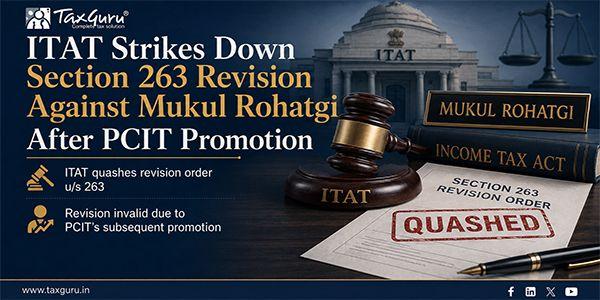
ITAT Strikes Down Section 263 Revision Against Mukul Rohatgi After PCIT Promotion
ITAT Delhi Allows Section 115BAC Benefit Despite Belated Income Tax Return
Husband Deposits ₹23 Lakh in Wife’s Account: ITAT Accepts Trees & Mangoes Sale Source
Delhi ITAT Dismisses Revenue Appeal Over ₹3.89 Crore Cash Sales Addition
Electricity Transfer at CSEB Consumer Rate Is at Arm’s Length Price: ITAT Delhi
ITAT Delhi Allows 80JJAA Deduction for Fixed-Term Employees, Condoning One-Day Form 10DA Delay
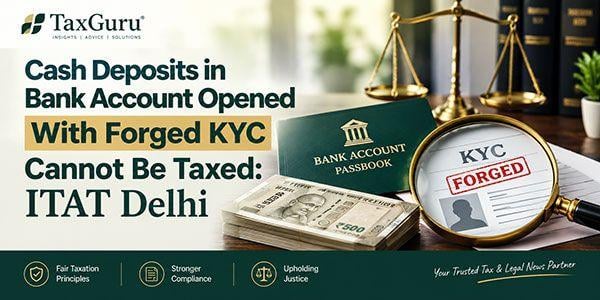
Cash Deposits in Bank Account Opened With Forged KYC Cannot Be Taxed: ITAT Delhi
ITAT Delhi Denies Section 80G Deduction for CSR, Remands Rental Addition for Verification
Spiritual and Moral Advancement Is Not Inherently Religious: Delhi ITAT
ITAT Delhi judgments and orders constitute a substantial body of appellate case law under the Income-tax Act. This page compiles ITAT Delhi decisions concerning assessments, additions, deductions, exemptions, business income, capital gains, transfer pricing, international taxation, TDS, reassessment, unexplained income, penalties, limitation and procedural disputes. Companies, individuals, Chartered Accountants, advocates and tax professionals can use this collection to research Tribunal precedents relevant to income-tax matters. TaxGuru brings together recent and significant earlier ITAT Delhi judgments and orders, providing a convenient resource for following developments in direct tax jurisprudence and researching recurring issues arising in assessments and appeals.

