
Courts: ITAT Delhi
Find latest ITAT Delhi judgments, orders and case laws on income tax covering assessments, transfer pricing, international taxation, deductions, TDS, reassessment and penalties.
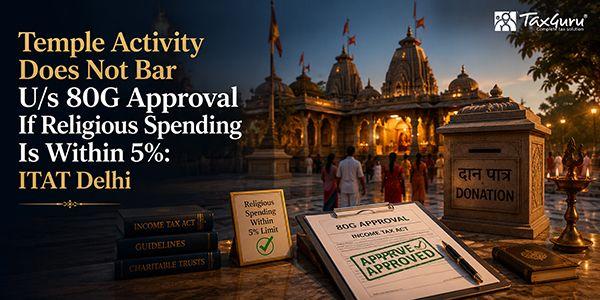
Temple Activity Does Not Bar U/s 80G Approval If Religious Spending Is Within 5%: ITAT Delhi
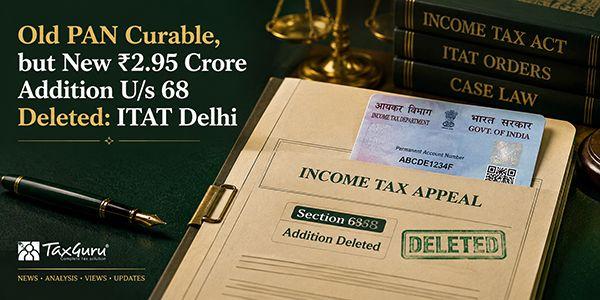
Old PAN Curable, but New ₹2.95 Crore Addition U/s 68 Deleted: ITAT Delhi

“Interest” Is More Than Just Interest: Mukul Rohatgi Gets Loan Charges Deduction U/s 24(b)
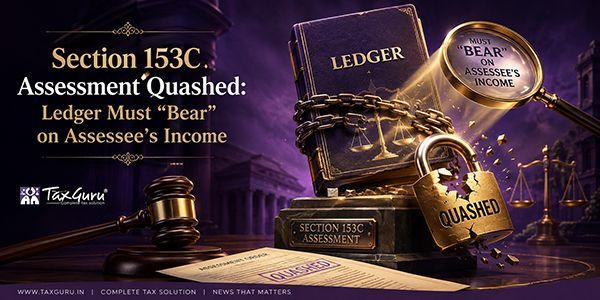
Section 153C Assessment Quashed: Ledger Must “Bear” on Assessee’s Income
AO Fails to Specify Penalty Charge, Delhi ITAT Quashes Section 271(1)(c) Penalty
Agricultural Land Distance from City Limits Decides Section 2(14) Exemption
AO Forgot Original Scrutiny: ₹3.25 Cr Addition u/s 68 Quashed
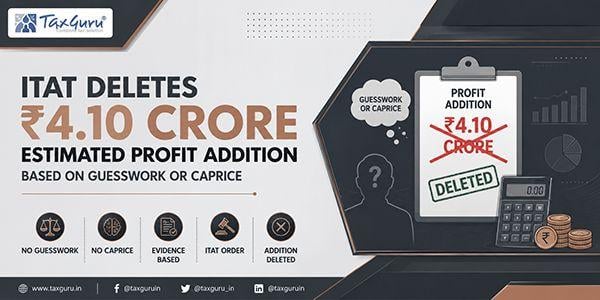
ITAT Deletes ₹4.10 Crore Estimated Profit Addition Based on Guesswork or Caprice
ITAT Delhi Quashes Section 263 Revision on Section 28 Land Acquisition Interest
ITAT Delhi deletes Section 270A penalty for failure to specify misreporting limb
ITAT Delhi Quashes Section 263 Revision on Interest Under Section 28 of Land Acquisition Act
ITAT Delhi Deletes Rs. 14.88 Lakh Notional Rent Addition for Vacant Property
ITAT Delhi Quashes Reopening Based on Third-Party Tally Data & Cross-Examination Denial
ITAT Delhi: Reassessment Notice Issued in Name of Dead Person is Invalid
ITAT Delhi judgments and orders constitute a substantial body of appellate case law under the Income-tax Act. This page compiles ITAT Delhi decisions concerning assessments, additions, deductions, exemptions, business income, capital gains, transfer pricing, international taxation, TDS, reassessment, unexplained income, penalties, limitation and procedural disputes. Companies, individuals, Chartered Accountants, advocates and tax professionals can use this collection to research Tribunal precedents relevant to income-tax matters. TaxGuru brings together recent and significant earlier ITAT Delhi judgments and orders, providing a convenient resource for following developments in direct tax jurisprudence and researching recurring issues arising in assessments and appeals.

