
Courts: ITAT Delhi
Find latest ITAT Delhi judgments, orders and case laws on income tax covering assessments, transfer pricing, international taxation, deductions, TDS, reassessment and penalties.

ITAT Directs Section 12AB Renewal as PCIT Exceeded Three-Year Inquiry Scope
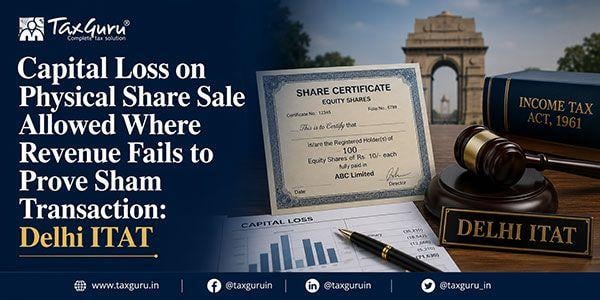
Capital Loss on Physical Share Sale Allowed Where Revenue Fails to Prove Sham Transaction: Delhi ITAT
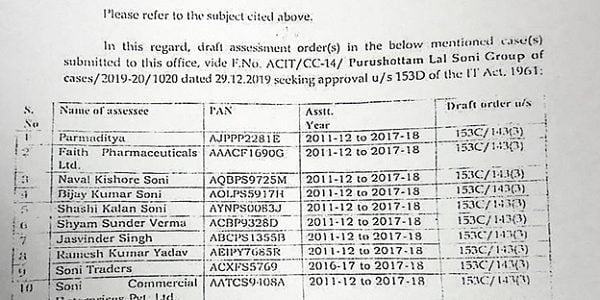
ITAT Delhi Quashes Section 153C Assessments Over Mechanical Section 153D Approval
ITAT Delhi Quashes Section 263 Revision Where PCIT Acted on Audit Proposal
ITAT Delhi Quashes Section 201 TDS Demand on NOIDA Lease Rent for AY 2012-13
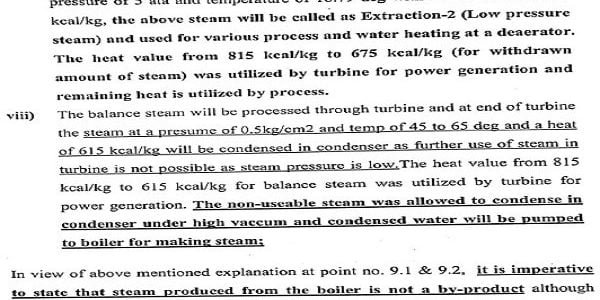
ITAT Deletes ₹32.68 Cr Power and ₹51.64 Cr Steam Adjustments under Section 80-IA

Section 148 Notice to Dissolved Partnership Firm Invalid: ITAT Delhi
ITAT Deletes ₹54 Lakh Cash Addition; Accepts Property Dealer’s Intermediary Explanation
Pre-Checkmate PF/ESI Adjustment Under Section 143(1) Deleted by ITAT Delhi
GST Data Sufficient for Reopening Bogus-Purchase Case: Delhi ITAT Remands Merits
ITAT Delhi Deletes Section 68 Addition for Loans Without Corroborative Search Material
ITAT Delhi Rejects Section 69C Addition Based on Uncorroborated WhatsApp Chats
Delhi ITAT Remands Ex Parte CIT(A) Order for Fresh Adjudication
Skill Development Activities Charitable; Section 12AB Registration Allowed: Delhi ITAT
ITAT Delhi judgments and orders constitute a substantial body of appellate case law under the Income-tax Act. This page compiles ITAT Delhi decisions concerning assessments, additions, deductions, exemptions, business income, capital gains, transfer pricing, international taxation, TDS, reassessment, unexplained income, penalties, limitation and procedural disputes. Companies, individuals, Chartered Accountants, advocates and tax professionals can use this collection to research Tribunal precedents relevant to income-tax matters. TaxGuru brings together recent and significant earlier ITAT Delhi judgments and orders, providing a convenient resource for following developments in direct tax jurisprudence and researching recurring issues arising in assessments and appeals.

