
Courts: ITAT Delhi
Find latest ITAT Delhi judgments, orders and case laws on income tax covering assessments, transfer pricing, international taxation, deductions, TDS, reassessment and penalties.

Delhi ITAT: Belated Form 10 Alone Cannot Defeat Trust’s Section 11(2) Exemption
Delhi ITAT Deletes ₹37.79-Lakh Cash Addition: No Double Tax in Joint Holder’s Hands
Delhi ITAT Deletes ₹14-Lakh Bogus Purchase Addition on Genuine Supplier Transactions
Delhi ITAT Quashes Reassessment Framed Under Old Regime After 1 April 2021 Notice
DCF Valuation Cannot Be Judged with Hindsight: Delhi ITAT Deletes ₹168.31 Share-Premium Addition
Pre-NCLT Income Tax Demands Stand Extinguished and Irrecoverable: Delhi ITAT
ITAT Delhi Deletes ₹11.89 Crore Bogus Purchase Additions, Citing Toll Records
AE Can Be Tested Party for RPM Benchmarking in Merchant Trading: ITAT Delhi
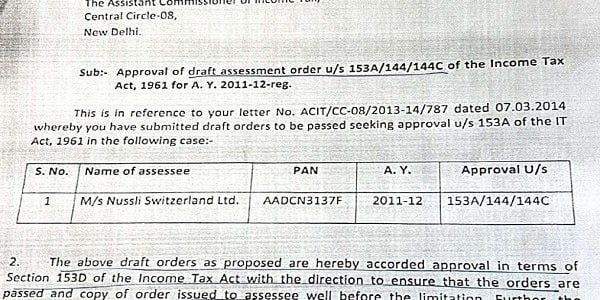
Mechanical Section 153D Approval Without Application of Mind Invalidates Assessment: ITAT Delhi
ITAT Delhi Deletes Section 270A Penalty on Bona Fide Non-Filing of ITR
Power Plant Trial Run Sufficient to Allow Interest as Revenue Expense: ITAT Delhi
ITAT Delhi Quashes Section 153A Assessment for Lack of Incriminating Search Material
ITAT Delhi Restricts Corporate Guarantee ALP to 0.5%
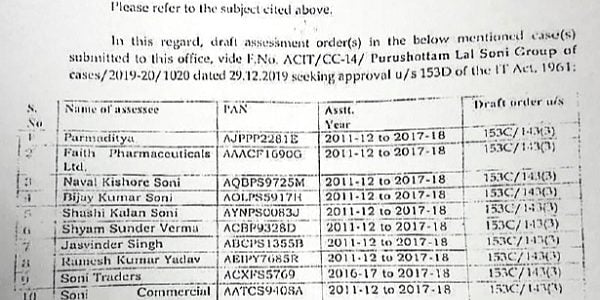
ITAT Delhi Quashes Section 153C Assessments Due to Mechanical Section 153D Approval
ITAT Delhi judgments and orders constitute a substantial body of appellate case law under the Income-tax Act. This page compiles ITAT Delhi decisions concerning assessments, additions, deductions, exemptions, business income, capital gains, transfer pricing, international taxation, TDS, reassessment, unexplained income, penalties, limitation and procedural disputes. Companies, individuals, Chartered Accountants, advocates and tax professionals can use this collection to research Tribunal precedents relevant to income-tax matters. TaxGuru brings together recent and significant earlier ITAT Delhi judgments and orders, providing a convenient resource for following developments in direct tax jurisprudence and researching recurring issues arising in assessments and appeals.

