
Courts: All ITAT
Read latest ITAT judgments and orders on Income Tax, including assessments, deductions, TDS, capital gains, transfer pricing, penalties and other tax disputes.

Additions Beyond Limited Scrutiny Scope Invalid Without Conversion: ITAT Ahmedabad

Invalid Reassessment Cannot Support Section 263 Revision: ITAT Cuttack
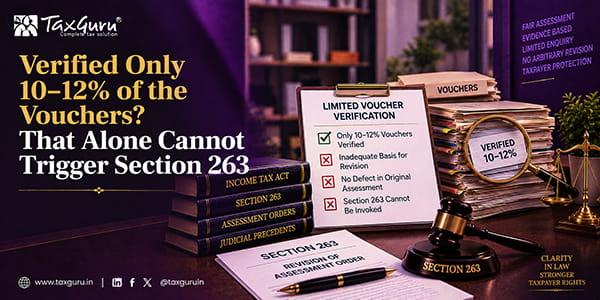
Verified Only 10–12% of the Vouchers? That Alone Cannot Trigger Section 263
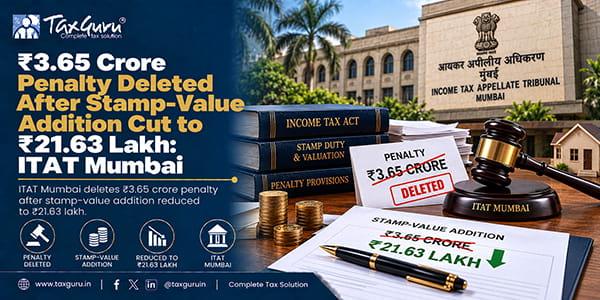
₹3.65 Crore Penalty Deleted After Stamp-Value Addition Cut to ₹21.63 Lakh: ITAT Mumbai
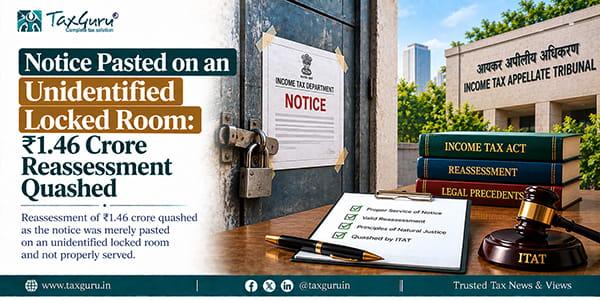
Notice Pasted on an Unidentified Locked Room: ₹1.46 Crore Reassessment Quashed

Explained House Purchase Cannot Attract Section 69 Addition: ITAT Bangalore
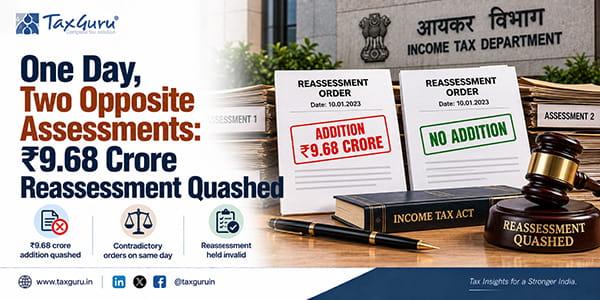
One Day, Two Opposite Assessments: ₹9.68 Crore Reassessment Quashed
Portal Upload Alone Cannot Establish Issue of Section 148 Notice: ITAT Bangalore

TP Adjustment Restricted to AE Transactions & Five Comparables Excluded: ITAT Bangalore

Section 143(3) Assessment Using Search Material Legally Unsustainable: ITAT Mumbai

Recorded Cash Sales Cannot Also Be Taxed Under Section 68: ITAT Mumbai
Past Losses Cannot Turn DCF into NAV: ₹1.94 Crore “Angel Tax” Addition Deleted
ESOP Discount, Professional Fees and Section 234C Relief Allowed: ITAT Mumbai
Vague Section 274 Notice Invalidates Section 271(1)(c) Penalty: ITAT Mumbai
All ITAT brings together Income Tax Appellate Tribunal judgments and orders from ITAT benches across India. The archive covers income-tax disputes involving assessments and reassessments, business income, deductions, exemptions, capital gains, TDS, transfer pricing, international taxation, penalties, unexplained income, search assessments and other provisions of the Income-tax Act. Chartered Accountants, advocates, tax professionals, businesses and taxpayers can use this consolidated TaxGuru category to research ITAT precedents across different benches and follow developments in income-tax jurisprudence. Individual ITAT bench categories are also available for location-specific decisions.

