
Courts: All ITAT
Read latest ITAT judgments and orders on Income Tax, including assessments, deductions, TDS, capital gains, transfer pricing, penalties and other tax disputes.

‘On-Money’ Not an “Asset” for Extended 10-Year Search Assessment: Mumbai ITAT

Chennai ITAT Deletes Section 234E Late Fee for TDS Returns Before June 2015
Chennai ITAT Deletes Section 234E Late Fees for Pre-01.06.2015 TDS Periods
Chennai ITAT Deletes Section 234E Late Fee for TDS Period Prior to June 2015

SBI Not in Default for Foreign LTC TDS Due to Binding HC Directions: ITAT Rajkot

CIT(E) Must Examine 5% Religious Expenditure Threshold Before Denying Section 80G: ITAT Chandigarh

AE Can Be Tested Party for RPM Benchmarking in Merchant Trading: ITAT Delhi

Penalty Not Leviable Where Section 148 Return Accepted Without Addition: ITAT Ahmedabad
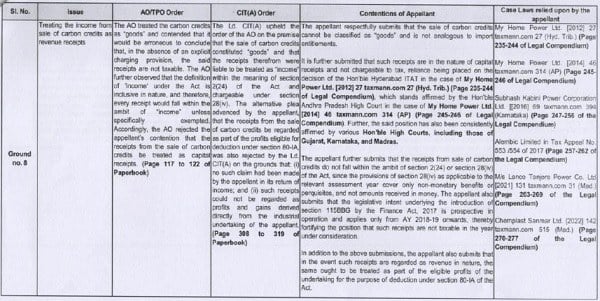
Carbon Credits Capital Receipts; Corporate Guarantee ALP Restricted to 0.5%: ITAT Ranchi

GST Order Quashed as Personal Hearing Denied After Registration Cancellation: Uttarakhand HC

Unexplained Source of Partner Capital Taxable in Partner’s Hands, Not Firm: ITAT Raipur

Interest on Unsold Flats Is Revenue Expense After Project Completion: ITAT Mumbai
Old Section 12A Certificate Loss Cannot Invalidate Existing 12AB Registration: ITAT Mumbai
Sun Pharma’s ₹263.69 Crore LLP Capital Loss Claim Remanded for Valuation: ITAT Ahmedabad
All ITAT brings together Income Tax Appellate Tribunal judgments and orders from ITAT benches across India. The archive covers income-tax disputes involving assessments and reassessments, business income, deductions, exemptions, capital gains, TDS, transfer pricing, international taxation, penalties, unexplained income, search assessments and other provisions of the Income-tax Act. Chartered Accountants, advocates, tax professionals, businesses and taxpayers can use this consolidated TaxGuru category to research ITAT precedents across different benches and follow developments in income-tax jurisprudence. Individual ITAT bench categories are also available for location-specific decisions.

