
Day: July 2, 2026
80 articlesIncome Tax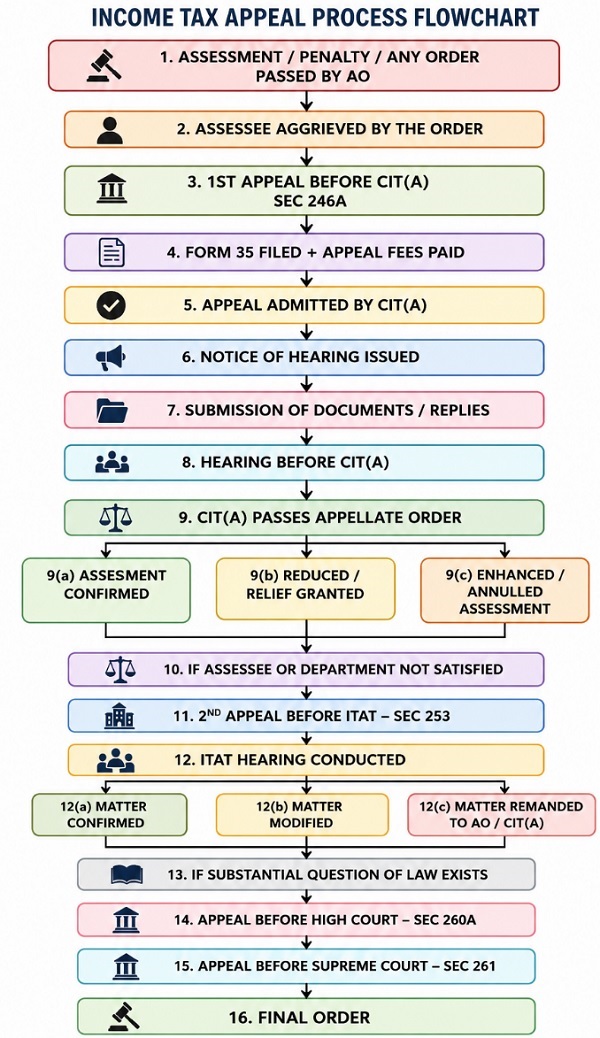
Income Tax
Appeals under Income-tax Act 2025 Vs. Income-tax Act, 1961
Income Tax
Income Tax
Assessment under Section 270 of Income Tax Act, 2025
Income Tax
Income Tax
Income Escaping Assessment & Related Sections: Income Tax Act 2025
Income Tax
Income Tax
Section 268 – Inquiry before Assessment under Income Tax Act, 2025
Income Tax
Income Tax
Section 271D Penalty Cannot Survive Without Recorded Satisfaction: Gujarat HC
Income Tax
Income Tax
No Satisfaction in Assessment Order: ITAT Surat Quashes Section 271D Penalty
Income Tax
Income Tax
Employees Need Not Pay Tax Again if Employer Failed to Deposit TDS: ITAT Kolkata
Income Tax
Income Tax
Section 153C Notices Quashed as Satisfaction Note Was Recorded Nearly 10 Months Late
Income Tax
Income Tax
Bombay HC Dismissed Revenue Appeal as It Did Not Challenge CIT(A)’s Order
Income Tax
Income Tax
Employer Not Liable to Refund TDS Due to Non-Filing of Form 10E: Madras HC
Income Tax
Income Tax
Foreign Tax Credit Cannot Be Denied Solely Due to Belated Form 67: ITAT Kolkata
Income Tax
Income Tax
Delay in Filing Form 10B Condoned as Covid-19 Caused Genuine Hardship: Orissa HC
Income Tax
Income Tax
ITAT Deletes GST Refund Addition as Tax Was Not Claimed as Expenditure
Income Tax
Income Tax

