
Courts: All High Courts
Read latest High Court judgments and orders on Income Tax, GST, Customs, Company Law and other taxation, corporate, commercial and regulatory matters.

Statutory Appeal Available Against Reassessment; Writ Petitions Dismissed: Bombay HC
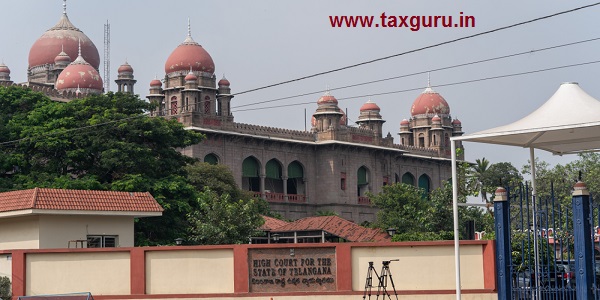
Documentary GST Fraud Probe Does Not Automatically Justify Arrest: Telangana HC

Delhi HC Sets Aside Section 148 Notice for Non-Supply of Reassessment Information
Seized Perishable Betel Nuts to Be Released After Ownership Verification: Gauhati HC
₹7.26 Crore ITC Demand: Section 16(2)(c) ITC Condition Constitutionally Valid: Delhi HC
Hearing Notice Must Be Served Before Ex-Parte Decision: Delhi HC

NBFC Rs. 20 Lakh SARFAESI Threshold Does Not Bind Assignee Bank: Calcutta HC
Section 151 Approval Mechanical: Calcutta HC Quashes Reassessment Proceedings

Bank Cannot Be Forced to Reconsider Rejected OTS Proposal: Calcutta HC

Rule 86A ITC Block Not Automatically Lifted Despite Fresh Hearing Opportunity: Karnataka HC
Income Tax Cannot Adjust Refunds Against Pre-IBC Demands After Resolution Plan Approval: Calcutta HC

Kerala HC Restores Time-Barred GST Appeal as Additional 2.5% Pre-Deposit Defect Is Curable

Defects Cured in ITR Relate Back to Original Filing Date for Section 143(2) Limitation: Bombay HC
FIR Quashed on Technical Ground Cannot Automatically Nullify PMLA ECIR: Madras HC
All High Courts brings together judgments and orders of High Courts across India published on TaxGuru. The archive covers Income Tax, GST, Customs, Company Law, Corporate Law, insolvency, commercial laws and other taxation and regulatory matters. Readers can research important questions of law, constitutional challenges, writ petitions, statutory appeals and other proceedings decided by different High Courts. Chartered Accountants, advocates, tax professionals, businesses and legal researchers can use this consolidated archive to follow High Court jurisprudence across India. Separate High Court categories are available for court-specific judgments and orders.

