
Courts: All High Courts
Read latest High Court judgments and orders on Income Tax, GST, Customs, Company Law and other taxation, corporate, commercial and regulatory matters.

Pre-Offence Property Cannot Be Attached as PMLA Proceeds of Crime: AP HC

Pre-Offence Legitimate Property Cannot Be Attached as PMLA Proceeds of Crime: Patna HC

Reopening Invalid Where Partner Interest & Remuneration Clauses Are Not Mandatory: Gujarat HC
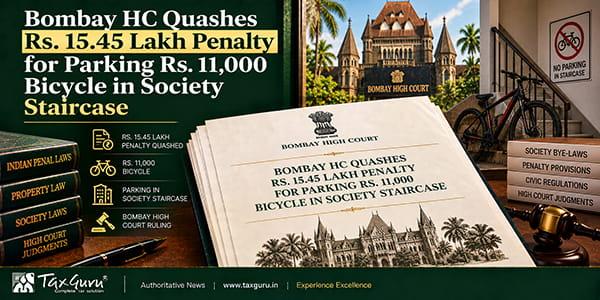
Bombay HC Quashes Rs. 15.45 Lakh Penalty for Parking Rs. 11,000 Bicycle in Society Staircase
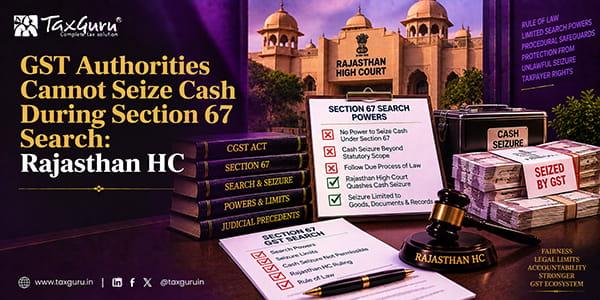
GST Authorities Cannot Seize Cash During Section 67 Search: Rajasthan HC

High Share Premium Alone Cannot Justify Section 68 Addition When Investor Credentials Proved: Bombay HC

Bombay HC Grants Fresh Section 264 Hearing Subject to ₹1 Lakh Costs on ₹4.24 Crore Addition

Madhya Pradesh HC Grants Bail in Pan Masala GST & HSNS Cess Evasion Case

CRS Services IGST Demand Against Singapore Airlines Requires Deeper Examination: Bombay HC

Delayed GST Appeal with Pre-Deposit Permitted: Telangana HC

Section 144B Procedure Mandatory; Non-Compliant Assessment Is Non-Est: Bombay HC

GST Common Adjudicating Authority Valid for Composite SCNs: Delhi HC

GST Order Quashed for Ex-Parte Adjudication Without Effective Hearing: Karnataka HC
Section 148 Reopening Quashed for No Failure to Disclose Material Facts: Delhi HC
All High Courts brings together judgments and orders of High Courts across India published on TaxGuru. The archive covers Income Tax, GST, Customs, Company Law, Corporate Law, insolvency, commercial laws and other taxation and regulatory matters. Readers can research important questions of law, constitutional challenges, writ petitions, statutory appeals and other proceedings decided by different High Courts. Chartered Accountants, advocates, tax professionals, businesses and legal researchers can use this consolidated archive to follow High Court jurisprudence across India. Separate High Court categories are available for court-specific judgments and orders.

