
Courts: All High Courts
Read latest High Court judgments and orders on Income Tax, GST, Customs, Company Law and other taxation, corporate, commercial and regulatory matters.

Compensation Received Six Years Late: Karnataka HC Directs Condonation for TDS Refund

Calcutta HC Allows Extension of ITC Rectification Time Under Section 16(5)

Bombay HC Upholds Deduction for Scientifically Estimated Major Repairs Provision

Bombay HC Declines Interim Relief Over GST Recovery Citing Unjustified Delay
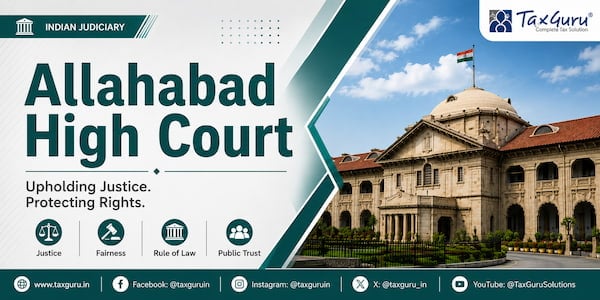
Allahabad HC Grants Bail in GST Fraud Case Involving Non-Existing Firm

Gujarat HC Dismisses Reassessment Appeal Where Recorded Reasons Produced No Addition
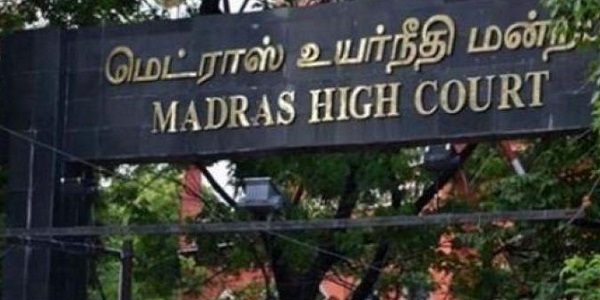
ITR Upload Failure: Madras HC Accepts Screenshot, Orders Portal Access

Madras HC Upholds Negative Blocking of Electronic Credit Ledger Under Section 79

Kerala HC Remands Medical PG Stipend vs Salary Dispute for Fresh Assessment

Allahabad HC Quashes GST Order for Notice Served Only Through Portal After Cancellation

Madras HC Closes GST Limitation Challenges After State Tax Officer Report
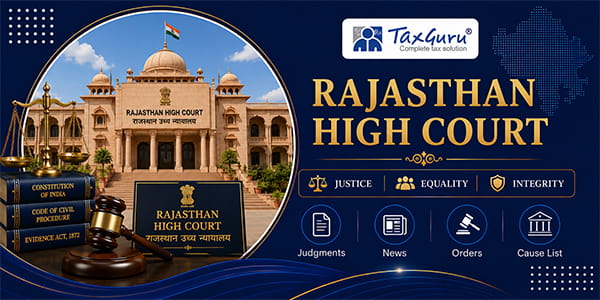
Rajasthan HC Allows Delayed GST Appeal Citing Medical Reasons Beyond Taxpayer’s Control

Rule 86A Safeguards Mandatory for ITC Blocking: Rajasthan HC

Patna HC Remits Nukkad Natak GST Exemption Issue to Appellate Authority
All High Courts brings together judgments and orders of High Courts across India published on TaxGuru. The archive covers Income Tax, GST, Customs, Company Law, Corporate Law, insolvency, commercial laws and other taxation and regulatory matters. Readers can research important questions of law, constitutional challenges, writ petitions, statutory appeals and other proceedings decided by different High Courts. Chartered Accountants, advocates, tax professionals, businesses and legal researchers can use this consolidated archive to follow High Court jurisprudence across India. Separate High Court categories are available for court-specific judgments and orders.

