

Articles by this Author
Income Tax
Income Tax
ITAT Deletes ₹20.18 Crore TP Adjustment Following Gujarat High Court
Income Tax
Income Tax
AO Cannot Start Reassessment Scrutiny Before Deciding Objections: Bombay HC
Income Tax
Income Tax
ITAT Upholds Deletion of ₹91.11 Lakh Alleged Property Cash Payment
Income Tax
Income Tax
Delhi HC Upholds Reopening of Zoom Insurance Brokers for AY 2020-21
Income Tax
Income Tax
Unsigned Form 36 Makes Income Tax Appeals Non-Maintainable: ITAT Pune
Corporate Law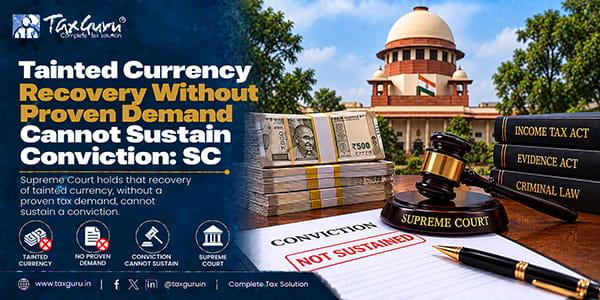
Corporate Law
Tainted Currency Recovery Without Proven Demand Cannot Sustain Conviction: SC
Corporate Law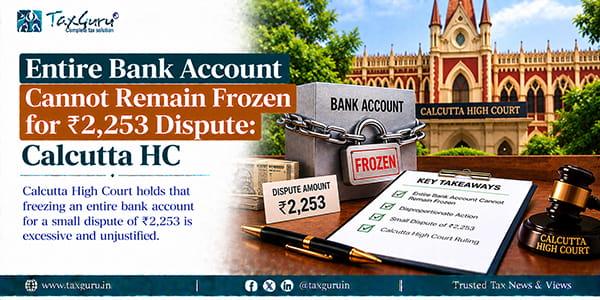
Corporate Law
Entire Bank Account Cannot Remain Frozen for ₹2,253 Dispute: Calcutta HC
Income Tax
Income Tax
Infosys and Infosys BPO Excluded as TP Comparables: Karnataka HC
Income Tax
Income Tax
Revenue Fails to Prove Perversity in Transfer Pricing Comparables: Karnataka HC
Income Tax
Income Tax
Product Replacement Services Merit TNMM Over RPM: Karnataka HC
Income Tax
Income Tax
₹200 Crore Turnover Filter for TP Comparables Valid: Karnataka HC
Income Tax
Income Tax
Single-Year Loss Cannot Justify Exclusion of TP Comparable: Karnataka HC
Income Tax
Income Tax
Unexplained Bank Credits Cannot Justify Roving Reassessment Inquiry: Karnataka HC
Income Tax
Income Tax

