

Articles by this Author
Income Tax
Income Tax
Directors Proved Source: ITAT Deletes ₹17.46 Crore Section 68 Addition
Income Tax
Income Tax
Examined Claim Cannot Be Revised on Different View: ITAT Chandigarh
Income Tax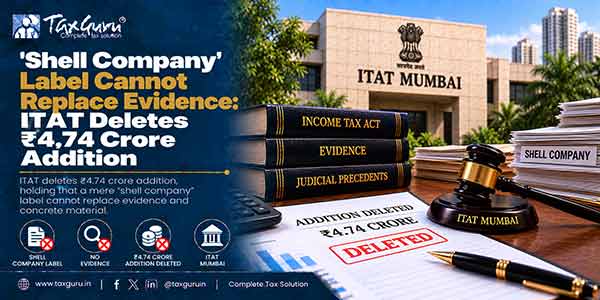
Income Tax
“Shell Company” Label Cannot Replace Evidence: ITAT Deletes ₹4.74 Crore Addition
Income Tax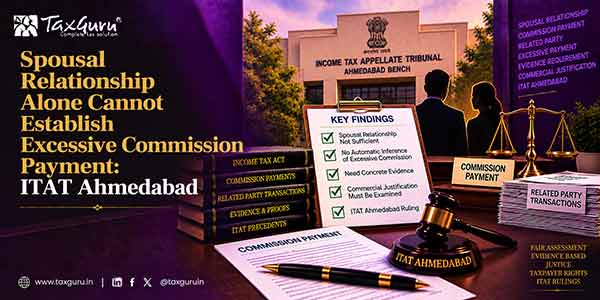
Income Tax
Spousal Relationship Alone Cannot Establish Excessive Commission Payment: ITAT Ahmedabad
Income Tax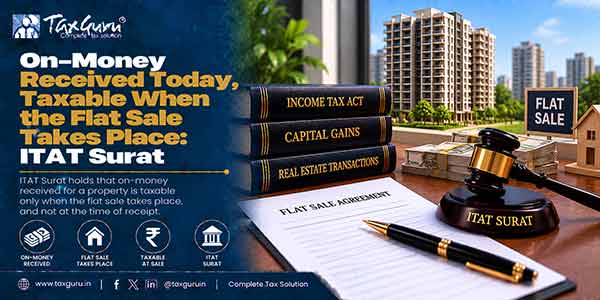
Income Tax
On-Money Received Today, Taxable When the Flat Sale Takes Place: ITAT Surat
Income Tax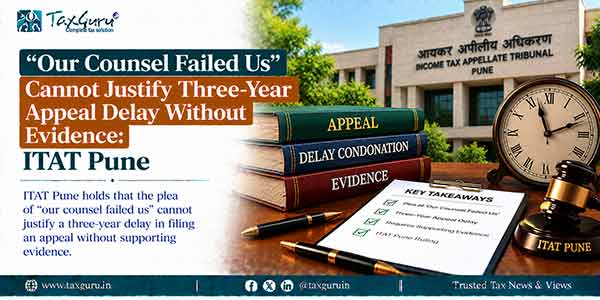
Income Tax
“Our Counsel Failed Us” Cannot Justify Three-Year Appeal Delay Without Evidence: ITAT Pune
Income Tax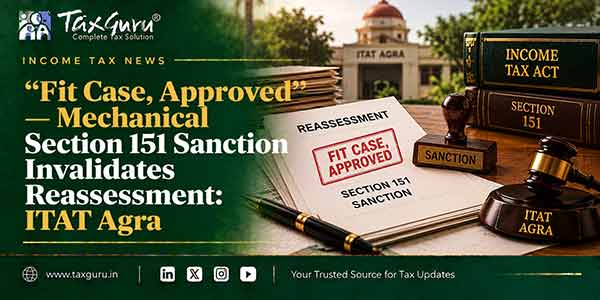
Income Tax
“Fit Case, Approved”—Mechanical Section 151 Sanction Invalidates Reassessment: ITAT Agra
Income Tax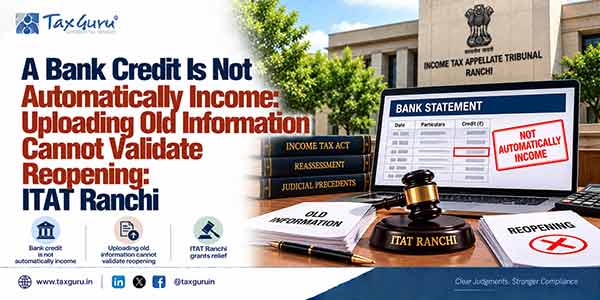
Income Tax
A Bank Credit Is Not Automatically Income: Uploading Old Information Cannot Validate Reopening: ITAT Ranchi
Income Tax
Income Tax
Section 263 Revision Cannot Rest on Demand for Further Verification: ITAT Chandigarh
Income Tax
Income Tax
ITAT Chandigarh Allows ₹41.11 Lakh Additional Depreciation on Integral Electrical Installations
Income Tax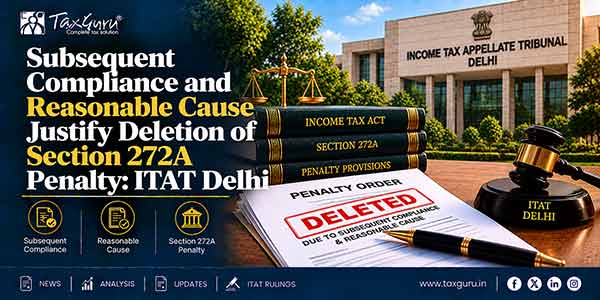
Income Tax
Subsequent Compliance and Reasonable Cause Justify Deletion of Section 272A Penalty: ITAT Delhi
Income Tax
Income Tax
AO Enquiry Bars Section 263 Revision on Section 44ADA Claim: ITAT Chandigarh
Income Tax
Income Tax
Insurance Premium Records Explain Demonetisation Cash Deposits: ITAT Jaipur deletes Addition
Income Tax
Income Tax

