

Articles by this Author
Income Tax
Income Tax
Section 276CC Conviction Unsustainable Without Established Tax Liability: Madras HC
Income Tax
Income Tax
ITAT Agra Deletes Jewellery Additions but Sustains ₹20 Lakh Cash Addition
Income Tax
Income Tax
Wrong Taxpayer Facts Make Appellate Order Perverse: ITAT Agra
Income Tax
Income Tax
Common Shareholding or Low Income Alone Cannot Establish Bogus Share Capital: ITAT Ahmedabad
Income Tax
Income Tax
Third-Party Material Must Be Disclosed Before Addition: ITAT Ahmedabad
Income Tax
Income Tax
Purchaser’s Accommodation-Entry Tag Alone Cannot Make Seller’s Sales Bogus: ITAT Ahmedabad
Income Tax
Income Tax
Bank Processing Fee Label Cannot Determine Capital Nature: ITAT Ahmedabad
Goods and Services Tax
Goods and Services Tax
Powder Used to Prepare Drink Cannot Be Taxed as Beverage: Supreme Court
Income Tax
Income Tax
BSNL Retirement Exemption Claims Remanded for Scheme Examination: ITAT Rajkot
Income Tax
Income Tax
Directors Proved Source: ITAT Deletes ₹17.46 Crore Section 68 Addition
Income Tax
Income Tax
Examined Claim Cannot Be Revised on Different View: ITAT Chandigarh
Income Tax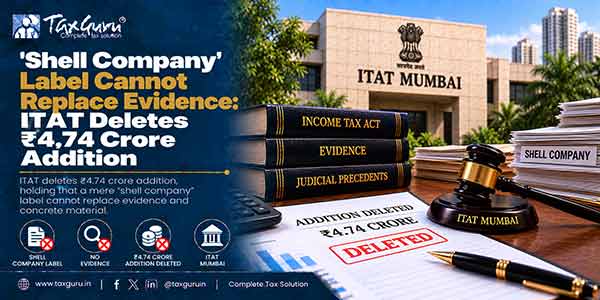
Income Tax
“Shell Company” Label Cannot Replace Evidence: ITAT Deletes ₹4.74 Crore Addition
Income Tax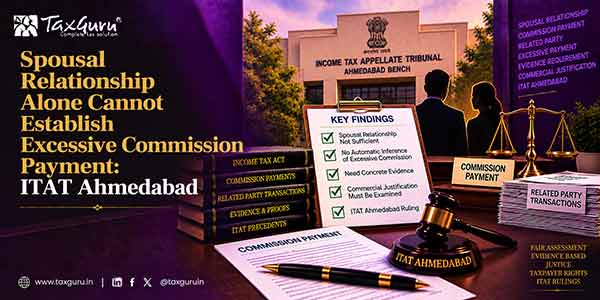
Income Tax
Spousal Relationship Alone Cannot Establish Excessive Commission Payment: ITAT Ahmedabad
Income Tax
Income Tax

