
Type: Trending
3,627 articlesIncome Tax
Income Tax
Section 68 Addition Deleted as AO Relied Only on Suspicion & Third-Party Material
Income Tax
Income Tax
Sec 54 Benefit Upheld – Investment Within Time Sufficient, Possession Delay Not Fatal
Corporate Law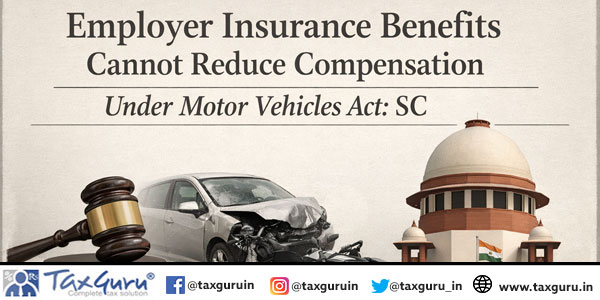
Corporate Law
Employer Insurance Benefits Cannot Reduce Compensation Under Motor Vehicles Act: SC
Income Tax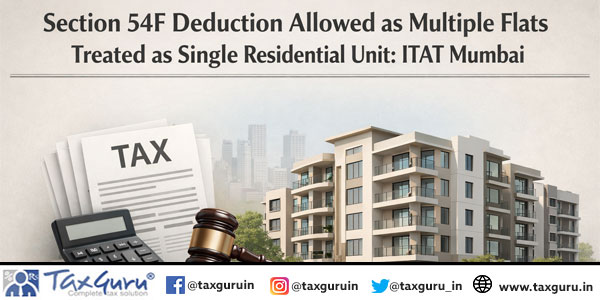
Income Tax
Section 54F Deduction Allowed as Multiple Flats Treated as Single Residential Unit: ITAT Mumbai
Income Tax
Income Tax
Bogus Purchases – Only Profit Element Taxable @12.5% Where Sales Accepted
Income Tax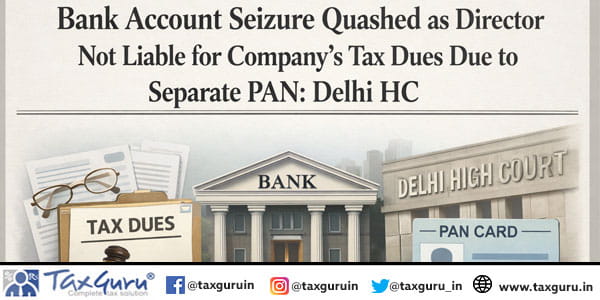
Income Tax
Bank Account Seizure Quashed as Director Not Liable for Company’s Tax Dues Due to Separate PAN: Delhi HC
Goods and Services Tax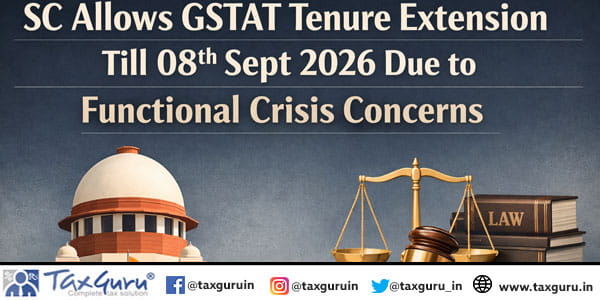
Goods and Services Tax
SC Allows GSTAT Tenure Extension Till 08th Sept 2026 Due to Functional Crisis Concerns
Income Tax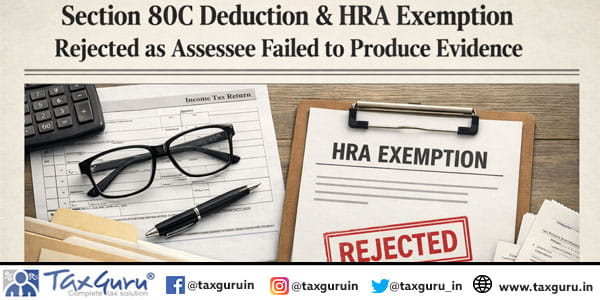
Income Tax
Section 80C Deduction & HRA Exemption Rejected as Assessee Failed to Produce Evidence
Income Tax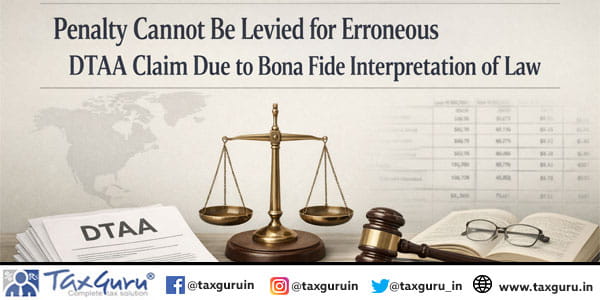
Income Tax
Penalty Cannot Be Levied for Erroneous DTAA Claim Due to Bona Fide Interpretation of Law
Goods and Services Tax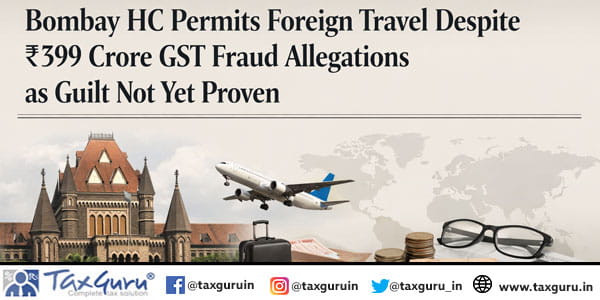
Goods and Services Tax
Bombay HC Permits Foreign Travel Despite ₹399 Crore GST Fraud Allegations as Guilt Not Yet Proven
Income Tax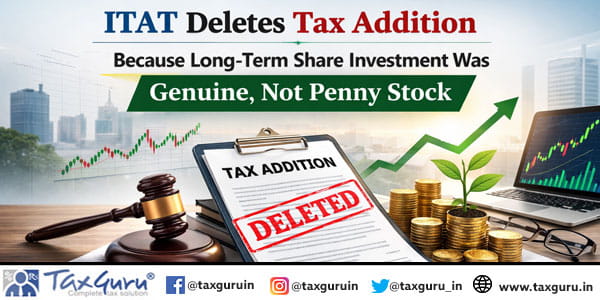
Income Tax
ITAT Deletes Tax Addition Because Long-Term Share Investment Was Genuine, Not Penny Stock
Corporate Law
Corporate Law
Confirmation of Auction Sale Does Not Bar Judicial Scrutiny of Reserve Price: SC
Corporate Law
Corporate Law
Railway Travel Insurance Must Cover Counter Tickets Too: SC
Goods and Services Tax
Goods and Services Tax

