
Type: Trending
3,627 articlesIncome Tax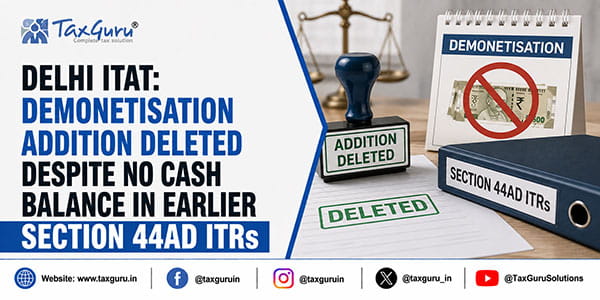
Income Tax
Delhi ITAT: Demonetisation Addition Deleted Despite No Cash Balance in Earlier Section 44AD ITRs
Goods and Services Tax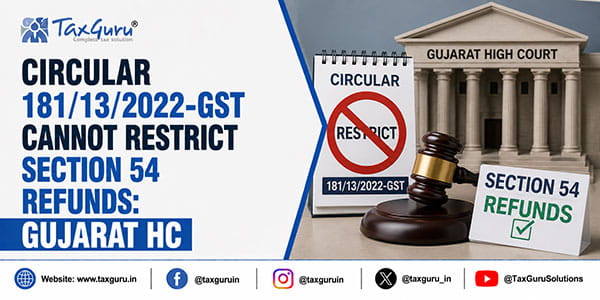
Goods and Services Tax
Circular 181/13/2022-GST Cannot Restrict Section 54 Refunds: Gujarat HC
Income Tax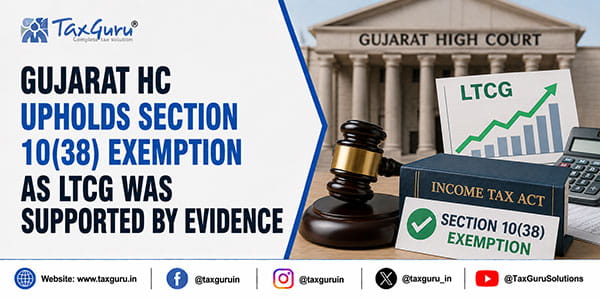
Income Tax
Gujarat HC Upholds Section 10(38) Exemption as LTCG Was Supported by Evidence
Corporate Law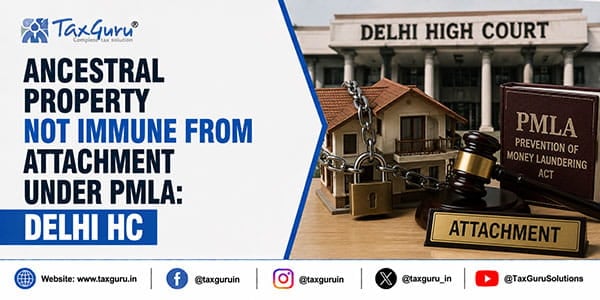
Corporate Law
Ancestral Property Not Immune from Attachment Under PMLA: Delhi HC
Income Tax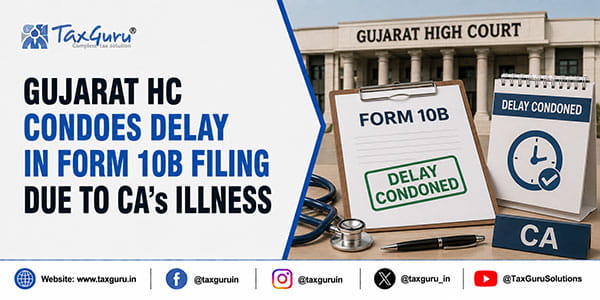
Income Tax
Gujarat HC Condones Delay in Form 10B Filing Due to CA’s Illness
Corporate Law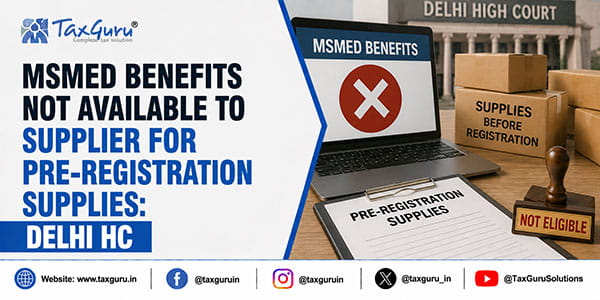
Corporate Law
MSMED Benefits Not Available to Supplier for Pre-Registration Supplies: Delhi HC
Income Tax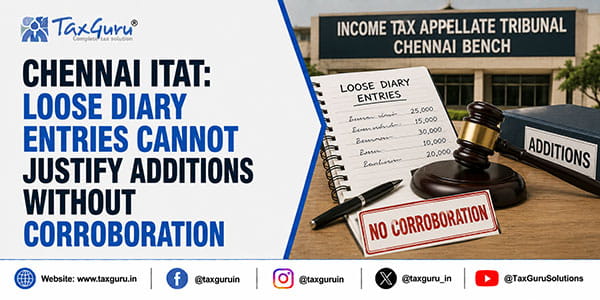
Income Tax
Chennai ITAT: Loose Diary Entries Cannot Justify Additions Without Corroboration
Goods and Services Tax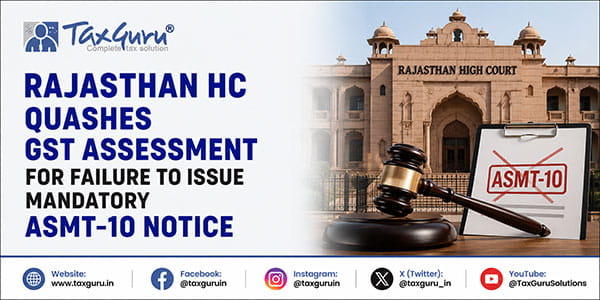
Goods and Services Tax
Rajasthan HC Quashes GST Assessment for Failure to Issue Mandatory ASMT-10 Notice
Income Tax
Income Tax
ITAT Mumbai Deletes Section 69 Addition Based Solely on Uncorroborated Third-Party Statements & Excel Data
Income Tax
Income Tax
No Section 276C Prosecution After Deletion of Section 271AAB Penalty: Rajasthan HC
Income Tax
Income Tax
Client Code Modification Alone Cannot Justify Section 68 Addition: ITAT Mumbai
Income Tax
Income Tax
ITAT Lucknow Deletes ₹10.05 Crore Section 69A Addition on Bank Mitra Cash Deposits
Company Law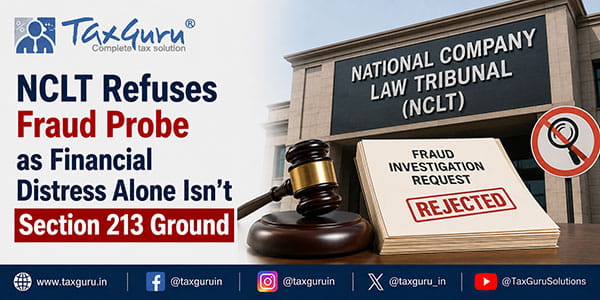
Company Law
NCLT Refuses Fraud Probe as Financial Distress Alone Isn’t Section 213 Ground
Goods and Services Tax
Goods and Services Tax

