
Type: Trending
3,627 articlesCompany Law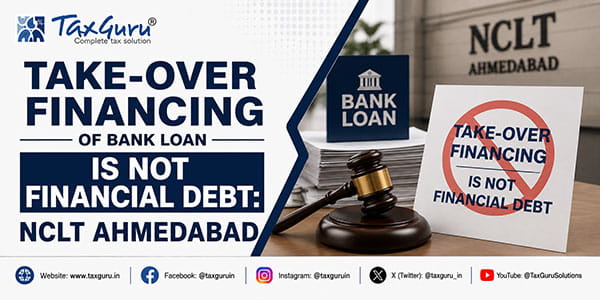
Company Law
Take-Over Financing of Bank Loan Is Not Financial Debt: NCLT Ahmedabad
Income Tax
Income Tax
8% of Unaccounted Sales Taxable, Not Entire Receipts: Ahmedabad ITAT
Income Tax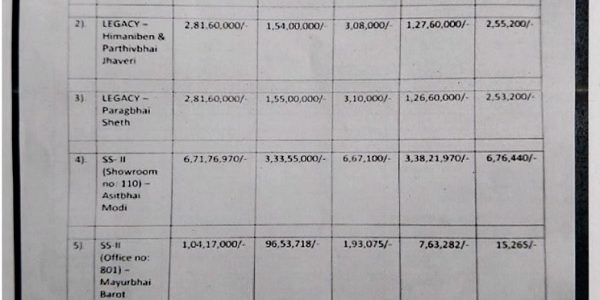
Income Tax
WhatsApp Brokerage Sheet Insufficient for Section 69 Addition: ITAT Ahmedabad
Income Tax
Income Tax
Delhi ITAT Restricts Bogus Purchase Addition to 6% as Sales Were Accepted
Income Tax
Income Tax
Section 68 Addition Deleted on Genuine Penny Stock Transaction
Corporate Law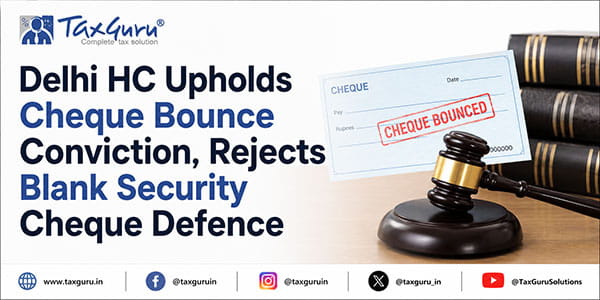
Corporate Law
Delhi HC Upholds Cheque Bounce Conviction, Rejects Blank Security Cheque Defence
Corporate Law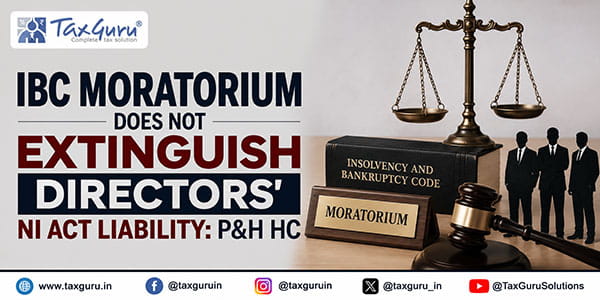
Corporate Law
IBC Moratorium Does Not Extinguish Directors’ NI Act Liability: P&H HC
Income Tax
Income Tax
HC Sets Aside 200% Section 270A Penalty for Misreporting Due to Defective SCN
Company Law
Company Law
Manipulation of Statutory Records to Usurp Shareholding Is Oppression: NCLAT Delhi
Income Tax
Income Tax
Rajasthan HC Quashes Section 276C Prosecution After ITAT Deletes Penalty
Income Tax
Income Tax
ITAT Quashes Scrutiny Assessment for Unsigned Electronic Assessment Order
Goods and Services Tax
Goods and Services Tax
ITC Benefit Must Be Passed Through Price Reduction, Not Free Upgrades: GSTAT
Income Tax
Income Tax
Income Tax Demand Cannot Be Through Computation Sheet: Bangalore ITAT
Fema / RBI
Fema / RBI

