
Type: Trending
3,627 articlesIncome Tax
Income Tax
Mere Same-Year Loan Repayment Does Not Establish Genuineness: ITAT Mumbai
Income Tax
Income Tax
ITAT Deletes Section 69A Addition as Genuine Loan Cannot Become Income Due to Non-Repayment
Income Tax
Income Tax
Section 12AB Registration Cannot Be Denied Over Loans to Related Parties: Delhi ITAT
Income Tax
Income Tax
Grey Market Purchases Attract Only Profit Addition, Not Full Disallowance: ITAT Chandigarh
Income Tax
Income Tax
Appraisal Report Alone Insufficient for Section 69 On-Money Addition: Ahmedabad ITAT
Income Tax
Income Tax
Gujarat HC Upholds Section 148 Reopening Based on Tangible Material in Penny Stock Case
Income Tax
Income Tax
Cash Deposit Before Registered Sale Indicates On-Money Receipt: Delhi ITAT
Income Tax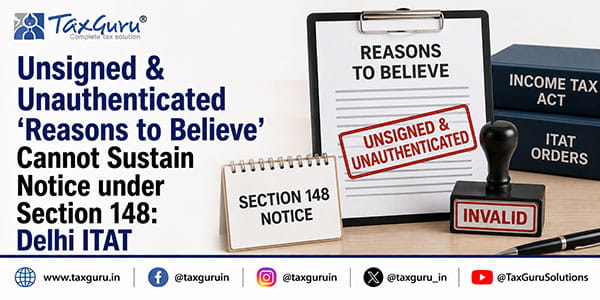
Income Tax
Unsigned & Unauthenticated ‘Reasons to Believe’ Cannot Sustain Notice under Section 148: Delhi ITAT
Income Tax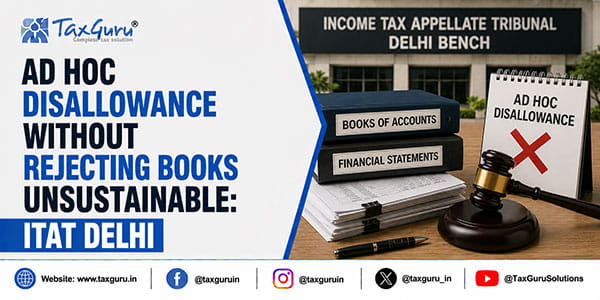
Income Tax
Ad Hoc Disallowance Without Rejecting Books Unsustainable: ITAT Delhi
Custom Duty
Custom Duty
Managing Partner Liable for Customs Penalty Despite Penalty on Firm: CESTAT Hyderabad
Income Tax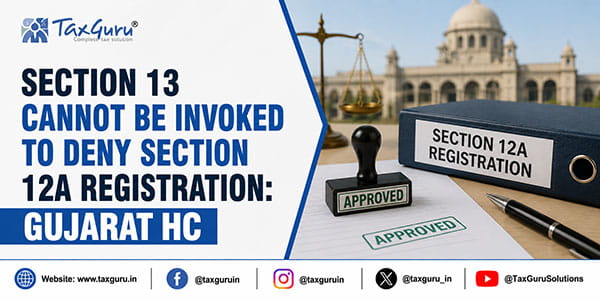
Income Tax
Section 13 Cannot Be Invoked to Deny Section 12A Registration: Gujarat HC
Income Tax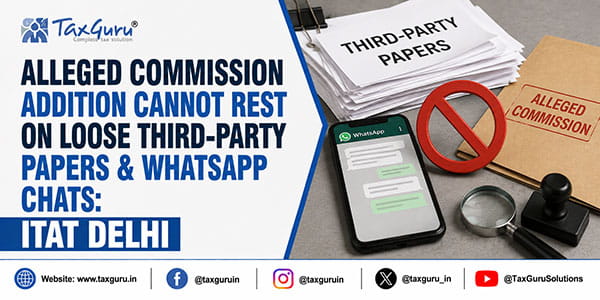
Income Tax
Alleged Commission Addition Cannot Rest on Loose Third-Party Papers & WhatsApp Chats: ITAT Delhi
Income Tax
Income Tax
Uncorroborated WhatsApp Chats Alone Cannot Sustain Section 69A Addition: Delhi ITAT
Income Tax
Income Tax

