Income Tax : Income without satisfactory explanation is taxed at a special high rate under Section 115BBE. The provisions place strict liabilit...
Income Tax : SEO Description: Explains which gifts qualify for exemption based on the statutory definition of “relative” and why not all fa...
Income Tax : An overview of Sections 68-69D of India's Income-tax Act, which empower tax authorities to assess unaccounted income from unexplai...
Income Tax : A Comprehensive Analysis of Undisclosed Incomes under Sections 68 to 69D of the Income-tax Act, 1961, Taxation of these Incomes Un...
Income Tax : The Sections by which the assessees are suffering too much due to high pitched assessments passed by NFAC are from 68 to 69D and 1...
Income Tax : ITAT held that additions relying merely on investigation wing reports and retracted statements, without direct incriminating evide...
Income Tax : The Tribunal condoned a 298-day delay in filing appeal, holding that substantial justice must prevail over technicalities. It dele...
Income Tax : The Tribunal ruled that when purchases are disallowed as non-genuine without questioning the source of payment, section 69C cannot...
Income Tax : The Tribunal ruled that the enhanced tax rate under Section 115BBE cannot be applied retrospectively for demonetisation-period tra...
Income Tax : The Tribunal held that revision cannot be based on alleged lack of enquiry when detailed verification was already done. A mere cha...
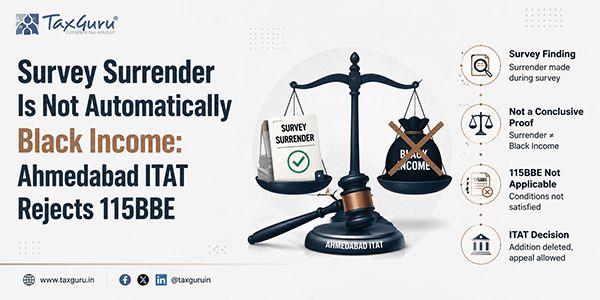
Income without satisfactory explanation is taxed at a special high rate under Section 115BBE. The provisions place strict liability on taxpayers to justify the nature and source of funds.
ITAT held that additions relying merely on investigation wing reports and retracted statements, without direct incriminating evidence, violate settled principles governing Section 153A proceedings.
The Tribunal condoned a 298-day delay in filing appeal, holding that substantial justice must prevail over technicalities. It deleted additions on exempt gratuity and commuted pension, ruling they cannot be taxed as salary.
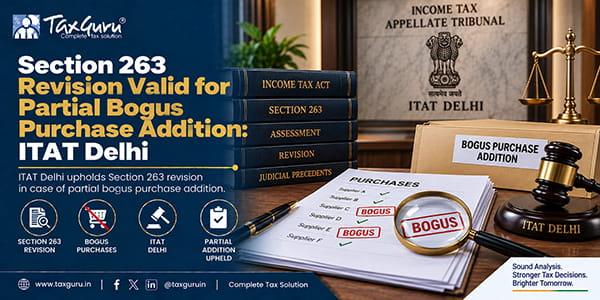
The Tribunal ruled that when purchases are disallowed as non-genuine without questioning the source of payment, section 69C cannot be invoked. A plausible disallowance under section 37(1) cannot be revised under section 263 merely to change the charging provision.
The Tribunal ruled that the enhanced tax rate under Section 115BBE cannot be applied retrospectively for demonetisation-period transactions. As the tax effect at normal rates fell below the monetary limit, the Revenue’s appeal was dismissed.
The Tribunal held that revision cannot be based on alleged lack of enquiry when detailed verification was already done. A mere change of opinion does not justify section 263 action.
SEO Description: Explains which gifts qualify for exemption based on the statutory definition of “relative” and why not all family gifts are tax-free under Section 56(2)(x).
ITAT held that most jewellery seized during a search could be accounted for from declared drawings and past income, reducing addition to ₹72.45 lakh. Ruling emphasizes that unexplained investment must be proven in relevant assessment year.
Tribunal held that demonetisation cash deposits represented genuine business sales and could not be taxed as unexplained income under sections 68/115BBE. Only ₹25 lakhs was sustained due to incomplete explanation, with the remaining addition deleted.
The Tribunal held that substantial bank deposits without filing a return provided adequate basis to reopen under section 147. Notice-service objections failed due to section 292BB, and the quantum issue was remanded for verification. The ruling confirms that prima facie material is sufficient for reassessment.