
#Section 68
Log in to FollowLatest Section 68 updates, provisions, case laws, compliance requirements, tax implications and expert analysis under Income-tax law on TaxGuru.
Income Tax
Income Tax
GST Not Income Under Section 44B; Statutory Levy Excluded from Presumptive Taxation
Income Tax
Income Tax
Section 68 Addition Deleted Due to Absence of Incriminating Material in Search Assessment
Income Tax
Income Tax
Section 153A Invalid Due to Absence of Incriminating Material in Unabated Years
Income Tax
Income Tax
ITAT deletes addition of unexplained income as cash deposit evidence was furnished
Income Tax
Income Tax
ITAT Bangalore Deletes Sec. 69A Addition on Cash Re-deposit Out of Explained Loan Withdrawals
Income Tax
Income Tax
Missed DRP timeline kills TP addition; ₹288 Cr share capital upheld
Income Tax
Income Tax
Section 263 Invalid as Presumptive Section 44AD Taxation Requires No Books
Income Tax
Income Tax
Demonetization Cash Deposit Addition Partly Deleted: Tribunal Rejects Unproven Gift Claims
Income Tax
Income Tax
₹9.99 Cr Addition Deleted Due to Absence of Incriminating Material in Search Proceedings
Income Tax
Income Tax
ITAT Delhi Upholds GP Addition After Books Rejected for Lack of Evidence
Income Tax
Income Tax
Repayment of Bogus Loans Does Not Cure Section 68 Addition: ITAT Delhi
Income Tax
Income Tax
Retrospective cancellation of registration of Charitable Status invalid: ITAT Lucknow
Income Tax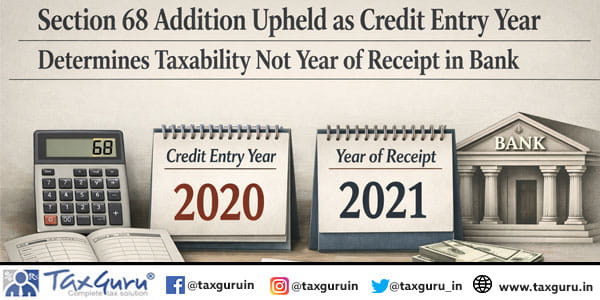
Income Tax
Section 68 Addition Upheld as Credit Entry Year Determines Taxability not year of Receipt in Bank
Income Tax
Income Tax
ITAT Mumbai Remands ₹53 Lakh Addition Due to Non-Service of Section 143(2) Notice
Explore the latest Section 68 updates on TaxGuru, including relevant Income-tax Act provisions, rules, notifications, circulars, judicial decisions and compliance guidance. The coverage highlights important tax positions, procedural requirements, assessments, deductions, penalties and litigation developments to help taxpayers and professionals understand the practical implications of changes in income-tax law.

