Income Tax : Indian tax law restricts cash transactions to promote digital payments. Limits apply to expense payments (Sec 40A(3): ₹10k/day),...
Income Tax : A summary of key penalties under the Income Tax Act for AY 2026-27, covering defaults from late filing and non-payment to misrepor...
Income Tax : Understand relief mechanisms and defences under Section 271D of the Income Tax Act for accepting cash loans or deposits over ₹20...
Income Tax : Supreme Court ruling on cash property deal cites wrong tax law (269ST instead of 269SS), but mandates reporting of large cash tra...
Income Tax : Simplified penalty timelines under Section 275 effective April 2025, including changes in penalty powers, omissions, and clarifica...
Income Tax : The Tribunal ruled that mere observations about cash transactions are insufficient to levy penalty under Section 271D. A specific ...
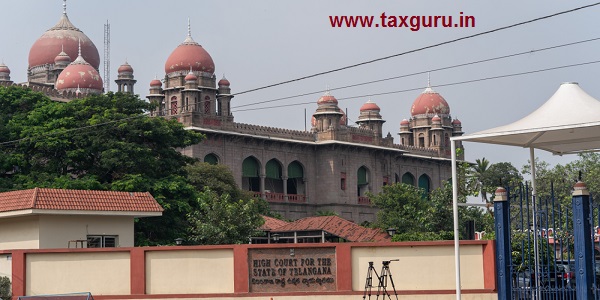
Income Tax : The Telangana High Court set aside a penalty under Section 271D after finding that the assessment order contained no recorded sati...
Income Tax : ITAT Kolkata set aside the penalty order under Section 271D after the assessee claimed inadequate opportunity of hearing during pe...
Income Tax : The Court ruled that although the Joint Commissioner is the competent authority to levy penalty, initiation of proceedings still r...
Income Tax : The Gujarat High Court held that revisional powers under Section 263 cannot be invoked merely because the Commissioner prefers ano...
Income Tax : It is a settled position that period of limitation of penalty proceedings under section 271D and 271E of the Act is governed by th...
Income Tax : It has been brought to notice of CBDT that there are conflicting interpretations of various High Courts on the issue whether the l...
Tribunal condoned a 938-day delay after finding that the appeal was incorrectly dismissed as withdrawn under VSVS. The case was remanded to the CIT(A) for a fresh decision on the additions made under section 143(3).
CIT(A) set aside penalties imposed for violations of Sections 269SS and 269T, as they were issued beyond the statutory limitation period. The ruling reaffirms that late penalty orders are invalid even if violations occurred.
Gujarat High Court upheld the deletion of a Section 271D penalty, ruling that the assessment order did not record satisfaction for initiating proceedings. No substantial question of law was found, and the appeal was dismissed.
ITAT Indore held that the registered sale-deed would relate back to and have effect from 26.03.2013 falling with previous year 2012-13 relevant to AY 2013-14 and hence the impugned transaction of sale was taxable in AY 2013-14 and not in 2014-15. Accordingly, reopening of assessment for AY 2014-2015 is illegal and unsustainable.
ITAT Chandigarh deleted a Rs.20 lakh penalty levied under Section 271D for a cash deposit violating Section 269SS. The Tribunal ruled the deposit was a temporary parking of funds by the father for security, not a loan or deposit.
ITAT Dehradun accepted ₹15 lakh from poplar tree sales as explained income and ruled that Section 115BBE applies prospectively from 1 April 2017. Tribunal granted partial relief, deleting major additions made on demonetisation cash deposits.
ITAT Kolkata quashed the reassessment for two assessment years, ruling it was invalid as the reopening occurred beyond the four-year limit from the original scrutiny assessment without any allegation of the taxpayer failing to disclose material facts. This aligns with the Supreme Court’s mandate under the first proviso to Section 147.
Indian tax law restricts cash transactions to promote digital payments. Limits apply to expense payments (Sec 40A(3): ₹10k/day), accepting loans/advances (Sec 269SS: ₹20k limit), and receiving funds (Sec 269ST: ₹2 lakh threshold). Non-compliance results in penalties or disallowance of expenditure.
A summary of key penalties under the Income Tax Act for AY 2026-27, covering defaults from late filing and non-payment to misreporting income and non-compliance with compliance. Learn about financial penalties and potential rigorous imprisonment for serious tax offenses.
The Karnataka High Court set aside a penalty notice and order under Section 271DA for violating Section 269ST, holding the proceedings were time-barred. Following the K. Umesh Shetty precedent, the Court ruled that the delay between the AO’s reference and the penalty notice constituted unreasonable laches, vitiating the entire action.