
#section 143(3)
Log in to FollowLatest section 143(3) updates, provisions, case laws, compliance requirements, tax implications and expert analysis under Income-tax law on TaxGuru.
Income Tax
Income Tax
Depreciation on Amalgamation Goodwill allowable for AYs prior to AY 2021-22
Income Tax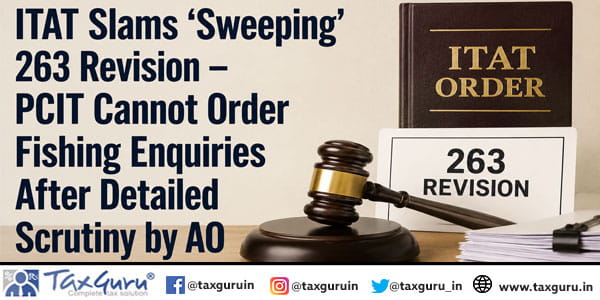
Income Tax
ITAT Slams ‘Sweeping’ 263 Revision – PCIT Cannot Order Fishing Enquiries After Detailed Scrutiny by AO
Income Tax
Income Tax
Assessment Quashed for Wrong Section – ITAT Holds AY Falling Within U/s 153C Block Cannot Be Assessed U/s 143(3)
Income Tax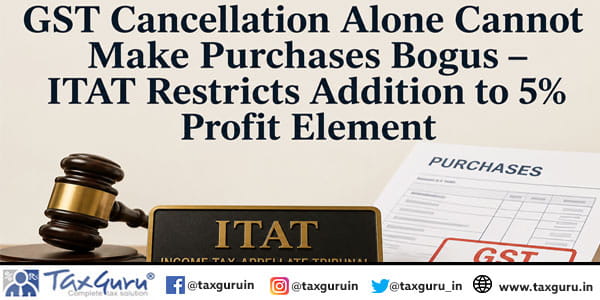
Income Tax
GST Cancellation Alone Cannot Make Purchases Bogus – ITAT Restricts Addition to 5% Profit Element
Income Tax
Income Tax
Delhi ITAT Quashes Reassessment for ‘Reason to Suspect’ – Cash Deposits Alone Can’t Justify Reopening
Income Tax
Income Tax
Loan Processing Fees on LAP/LRD Loans Not Deductible Under Section 24(b): ITAT Upholds Disallowance
Income Tax
Income Tax
For Section 56(2)(x) Stamp Duty Value on Allotment Date Must Be Considered: ITAT Mumbai
Income Tax
Income Tax
Short-Term Commercial Loan Repaid with Interest Cannot Be Branded as Bogus Entry: ITAT Deletes ₹80 Lakh Section 68 Addition
Income Tax
Income Tax
ITAT Deletes Section 68 Addition Since Opening Loan Balances Cannot Be Taxed Again
Income Tax
Income Tax
Loans via Banking Channels not Bogus Merely on ‘Shell Company’ Allegation
Income Tax
Income Tax
No 271D Penalty Without Clear Finding of 269SS Violation: ITAT Deletes ₹1 Crore Penalty
Income Tax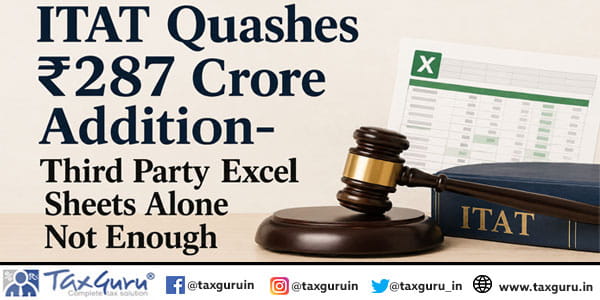
Income Tax
ITAT Quashes ₹287 Crore Addition- Third Party Excel Sheets Alone Not Enough
Income Tax
Income Tax
Unregistered Sale Agreement Can Qualify for Section 54 Relief: Hyderabad ITAT
Income Tax
Income Tax
Third-Party ERP Entries Alone Cannot Justify Section 69 Addition: ITAT Deletes Jewellery Purchase Addition
Explore the latest section 143(3) updates on TaxGuru, including relevant Income-tax Act provisions, rules, notifications, circulars, judicial decisions and compliance guidance. The coverage highlights important tax positions, procedural requirements, assessments, deductions, penalties and litigation developments to help taxpayers and professionals understand the practical implications of changes in income-tax law.

