Company Law : The analysis clarified that shareholder protection is ensured through ultimate parent consolidation. Hence, intermediate companies...
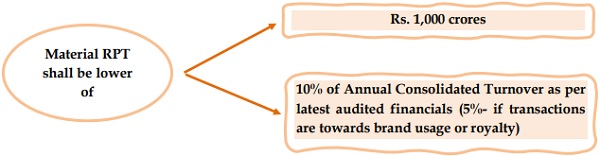
SEBI : The updated Regulation 23 framework introduces turnover-linked thresholds for related party transactions. Listed companies must re...
Company Law : Courts and regulators now treat related party transactions as a core governance issue rather than procedural compliance. The key t...
SEBI : The regulator upheld a turnover-linked materiality framework for related party transactions, replacing the flat 10% test to align ...
CA, CS, CMA : This case explains why related party transactions require heightened audit scrutiny under SA-550. The key takeaway is that influen...
Company Law : The Ministry of Corporate Affairs details measures to ensure transparency and prevent fund diversion in Related-Party Transactions...
SEBI : SEBI is consulting on amendments to LODR Regulations regarding Related Party Transactions. Proposals include new materiality thres...
Company Law : NFRA highlights auditor responsibilities in related party transactions, emphasizing compliance with Ind AS 24, SEBI regulations, a...
SEBI : SEBI seeks public feedback on strengthening secretarial compliance reports, auditor appointment criteria, and related party transa...
SEBI : What does ‘Where a transaction is undertaken between members of the consolidated entity (between the listed entity and its subsi...
Income Tax : In a landmark ruling, the Delhi High Court held that government shareholders are not automatically considered related parties und...
SEBI : A detailed analysis of SAT Mumbai's decision to reduce SecureKloud Technologies' penalty for non-serious LODR violations, and its ...
Company Law : Bar of voting as per Section 188 of the Companies Act, 2013 on related parties operated only at the time of entering into a contra...
Income Tax : Commissioner issued a show cause notice under section 263 and ultimately passed impugned order; by that time the alleged domestic ...
Company Law : The authority penalized directors for executing related party transactions without fresh or valid approvals. It held that reliance...
Company Law : The company relied on old resolutions for ongoing related party transactions. The authority held that fresh approvals are mandator...
Company Law : The company continued related party transactions based on old approvals. The authority held that fresh approvals are mandatory, le...
Company Law : The issue involved non-compliance with approval requirements for related party transactions. The authority held that absence of Bo...
Company Law : The case addresses non-disclosure of directors’ interests in related entities. Authorities imposed penalties, reinforcing strict...
Explore India’s legal framework for Related Party Transactions (RPTs). Learn about the definition, types of transactions, approval matrices, and exemptions under the Companies Act and SEBI regulations.
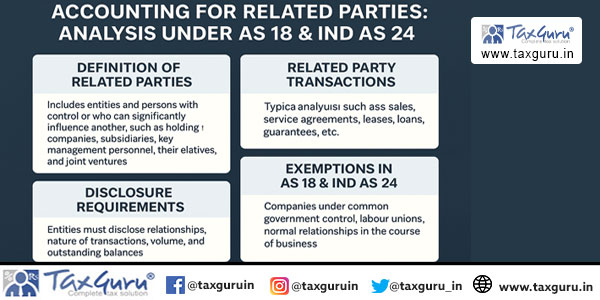
A comparison of AS 18 and Ind AS 24 related party accounting standards. Learn key differences in definitions, disclosures, and how they impact financial reporting.
The Ministry of Corporate Affairs details measures to ensure transparency and prevent fund diversion in Related-Party Transactions under the Companies Act, 2013.
SEBI is consulting on amendments to LODR Regulations regarding Related Party Transactions. Proposals include new materiality thresholds and clarifications for subsidiaries.
Borrowing from directors requires Audit Committee approval as a related party transaction under the Companies Act, 2013, even if not covered by Section 188. Post-transaction approval may be voidable.
SEBI’s revised circular, effective September 1, 2025, standardizes minimum disclosures for Related Party Transactions (RPTs) requiring Audit Committee and shareholder approval, enhancing transparency for listed entities.
Understand Section 188 of the Companies Act, 2013, covering related party transaction approvals, definitions, monetary thresholds, exemptions, and compliance requirements.
Understand how R elated Party Transactions differ from Section 188 approvals under the Companies Act, 2013, and when Board or Audit Committee approval is needed.
Understand SEBI LODR 2015 rules for related party transactions, including definitions, approvals, exemptions, and disclosure requirements for listed companies.
NFRA highlights auditor responsibilities in related party transactions, emphasizing compliance with Ind AS 24, SEBI regulations, and the Companies Act 2013.