
Courts: Telangana High Court
Find latest Telangana High Court judgments, orders and case laws on Income Tax, GST, Customs, Company Law and other taxation and commercial matters.

Assessee Consenting to Income-Tax Case Transfer Cannot Later Challenge It: Telangana HC

Telangana HC Allows Fresh Revocation Application After GST Registration Cancellation
Further Investigation Alone Does Not Justify Custodial Interrogation: Telangana HC
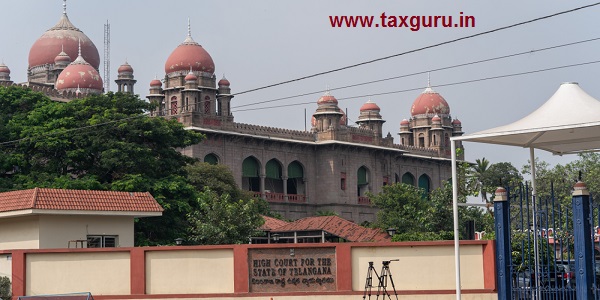
Section 41A Notice Not Mandatory Before GST Arrest: Telangana HC

Telangana HC Grants Anticipatory Bail in Rs.98.47 Crore Alleged Fake ITC Case
Documentary GST Fraud Probe Does Not Automatically Justify Arrest: Telangana HC
GST Appeal Allowed With Two-Week Protection From Garnishee Recovery: Telangana HC
Delayed Appeal Against Ex-Parte GST Order Permitted: Telangana HC
Telangana HC Grants 15-Day Transit Bail in ₹3.16 Crore Cyber Fraud Case
Financial Hardship Plea: Telangana HC Allows Taxpayer to Seek GST Revocation
Telangana HC Allows Physical GST Revocation Application When Portal Blocks Filing
Delayed GST Appeal with Pre-Deposit Permitted: Telangana HC
Already Taxed Demerged Income Cannot Trigger Reassessment: Telangana HC
Reassessment for Further Verification Without Escapement Material Quashed: Telangana HC
Telangana High Court judgments and orders cover significant taxation, corporate, commercial and regulatory disputes. This TaxGuru page brings together Telangana High Court case laws concerning Income Tax, GST, Customs, input tax credit, refunds, tax demands, reassessment, penalties, Company Law and other legal matters. Taxpayers, companies, Chartered Accountants, advocates and tax professionals can use the collection to research judicial precedents and monitor important legal developments. TaxGuru publishes recent and significant earlier Telangana High Court decisions with summaries and analysis explaining the issues and legal principles involved. The page serves as a convenient resource for readers researching taxation and business-related litigation before the Telangana High Court.

