
Courts: Telangana High Court
Find latest Telangana High Court judgments, orders and case laws on Income Tax, GST, Customs, Company Law and other taxation and commercial matters.
Missing Sales & Purchase Invoices: GST Revocation Application Permitted by Telangana HC

GST Cancellation Appeal Allowed With Delay Condonation Plea: Telangana HC
Reassessment Notice Against Non-Existing Merged Company Quashed: Telangana HC

Departmental Appeal Plan Cannot Defeat GST Refund: Telangana HC
Physical GST Revocation Filing Allowed if Online Filing Fails: Telangana HC
Same GST Officer Cannot Audit and Adjudicate: Karnataka HC

Telangana HC Allows Infosys BPM to File GSTAT Appeal After Non-Service of Order
Target Plus Scheme required broad nexus, not strict product nexus: Telangana HC
Telangana HC Allows Appeal Against Section 73 Demand After Consultant Lapse
Telangana HC Allows Appeal as Consultant Failed to Inform Taxpayer of GST Order
Telangana HC Permits Revocation Application for Time-Barred GST Registration Cancellation
Telangana HC Permits GST Appeal Against Section 74 Common Adjudication Order
Telangana High Court Permits Withdrawal of GST Writ with Liberty to Refile
Telangana HC Allows GST Appeal Against Section 73 Order with Delay Application
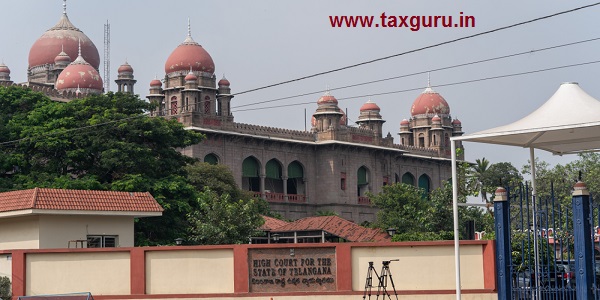
Telangana High Court judgments and orders cover significant taxation, corporate, commercial and regulatory disputes. This TaxGuru page brings together Telangana High Court case laws concerning Income Tax, GST, Customs, input tax credit, refunds, tax demands, reassessment, penalties, Company Law and other legal matters. Taxpayers, companies, Chartered Accountants, advocates and tax professionals can use the collection to research judicial precedents and monitor important legal developments. TaxGuru publishes recent and significant earlier Telangana High Court decisions with summaries and analysis explaining the issues and legal principles involved. The page serves as a convenient resource for readers researching taxation and business-related litigation before the Telangana High Court.

