
Courts: Telangana High Court
Find latest Telangana High Court judgments, orders and case laws on Income Tax, GST, Customs, Company Law and other taxation and commercial matters.

Telangana HC Allows Appeal Against GST DRC-07 Order
Unsigned GST DRC-01 and DRC-07 Challenge Left Open, Appeal Allowed: Telangana HC
GST Portal Technical Issue Cannot Bar Revocation Application: Telangana HC
Telangana HC Dismisses ITTA as ₹10 Lakh Tax Effect Falls Below CBDT Monetary Limit

Telangana HC Quashes Section 226(3) Attachment of BIOSOT Bank Accounts
Telangana HC Allows Delayed GST Appeal Against DRC-07 Order

DRC-07 Upload Date Relevant for GST Appeal Limitation: Telangana HC
Telangana HC Grants Appeal Liberty Against Section 73 GST Order, Bars Recovery
Telangana HC Permits GST Writ Withdrawal With Liberty to File Statutory Appeal
Telangana High Court Grants Two Weeks to Appeal Section 74 GST Order
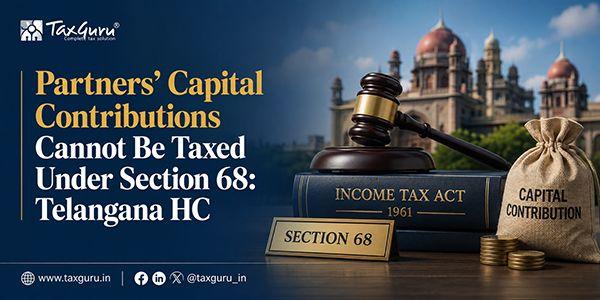
Partners’ Capital Contributions Cannot Be Taxed Under Section 68: Telangana HC
Telangana HC Allows Manual GST Appeal, Protects Taxpayer From Recovery
Telangana HC Permits GST Registration Revocation Application Despite Portal Issues
Telangana HC Grants Liberty to Challenge GST Order, Protects Taxpayer from DRC-13 Recovery
Telangana High Court judgments and orders cover significant taxation, corporate, commercial and regulatory disputes. This TaxGuru page brings together Telangana High Court case laws concerning Income Tax, GST, Customs, input tax credit, refunds, tax demands, reassessment, penalties, Company Law and other legal matters. Taxpayers, companies, Chartered Accountants, advocates and tax professionals can use the collection to research judicial precedents and monitor important legal developments. TaxGuru publishes recent and significant earlier Telangana High Court decisions with summaries and analysis explaining the issues and legal principles involved. The page serves as a convenient resource for readers researching taxation and business-related litigation before the Telangana High Court.

