
Courts: ITAT Mumbai
Find latest ITAT Mumbai judgments, orders and case laws on income tax covering assessments, transfer pricing, international taxation, capital gains, TDS, reassessment and penalties.
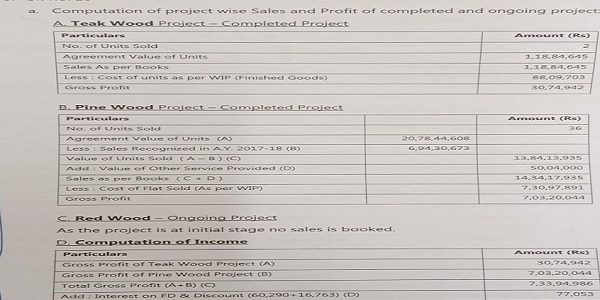
ITAT Sets Aside Section 263 Revision on Revenue Recognition & TDR Expenses

ITAT Deletes Section 69B Addition for Alleged On-Money Payment Without Corroboration

No Section 69C Addition for Alleged Bogus Purchases Without Evidence: ITAT Mumbai
ITAT Deletes Demonetisation Cash Deposit Addition Based on Widow’s Lifelong Savings
DVO Reference Mandatory for Section 56(2)(x) Stamp Duty Value Dispute: Mumbai ITAT
ITAT Quashes Reassessment Under Section 147 for Change of Opinion on Share Premium
Reassessment Quashed for Not Passing Speaking Order on Objections: Mumbai ITAT
Section 263 Valid for Wrong Section Applied to Bogus Purchases: ITAT Mumbai
Pnding SC SLP Alone Cannot Justify Section 263 Revision: ITAT Mumbai
Section 68 Addition Deleted on Property Advance Received & Refunded Through Banking Channels: ITAT Mumbai

Books Cannot Be Rejected Solely for Non-Maintenance of Qualitative Stock Records: Mumbai ITAT
Third-Party Statements Cannot Sustain Assessment Without Cross-Examination: Mumbai ITAT
Reassessment Quashed for Lack of Competent Section 151 Approval: Mumbai ITAT
Mumbai ITAT Deletes ₹14 Lakh Accommodation Entry Addition; Search Report Alone Insufficient
ITAT Mumbai judgments and orders represent an extensive body of income-tax appellate jurisprudence covering individuals, businesses, companies and other taxpayers. This TaxGuru page brings together decisions relating to assessments, additions, deductions, exemptions, business income, capital gains, transfer pricing, international taxation, TDS, reassessment, unexplained income, penalties and procedural disputes. Chartered Accountants, advocates, companies, taxpayers and tax professionals can use this collection to research ITAT Mumbai precedents and follow important developments under the Income-tax Act. The page includes recent as well as significant earlier Tribunal decisions published on TaxGuru, providing a comprehensive reference point for direct tax case-law research and appellate practice.

