
Courts: ITAT Mumbai
Find latest ITAT Mumbai judgments, orders and case laws on income tax covering assessments, transfer pricing, international taxation, capital gains, TDS, reassessment and penalties.

Mumbai ITAT Upholds Depreciation on Goodwill from NCLT-Approved Amalgamation
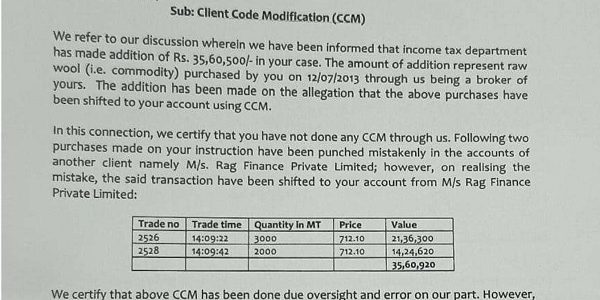
Mumbai ITAT Deletes ₹35.60 Lakh CCM Addition; Investigation Wing Information Alone Not Enough
Mumbai ITAT Quashes Reassessment as Escaped Income Below ₹50 Lakh
TDS Not Applicable on Discounts to Pharma Stockists: Mumbai ITAT
ITAT Deletes Section 69 Addition Based on Uncorroborated On-Money Allegation
ITAT Restricts Bogus Purchase Disallowance to 2% Where Sales Are Accepted
ITAT Upholds Reassessment & Restricts Bogus Purchase Disallowance to 2%
Global Overhead Charges Not Taxable as Fees for Included Services: Mumbai ITAT
ITAT Deletes TDS Demand on Stockist Discounts, ESOPs & MSME Interest
Penny Stock LTCG Exemption Cannot Be Denied Solely on Investigation Wing Report: ITAT Mumbai
LTCG Exemption Cannot Be Denied Solely on Investigation Wing Report: ITAT Mumbai
ITAT Mumbai Upholds Tax on Notional Rent for Unsold Flats Held as Stock-in-Trade
Charitable Trust Not Taxable at Maximum Marginal Rate: Mumbai ITAT
Mumbai ITAT Deletes Section 68 Addition Based Solely on Investigation Wing Report
ITAT Mumbai judgments and orders represent an extensive body of income-tax appellate jurisprudence covering individuals, businesses, companies and other taxpayers. This TaxGuru page brings together decisions relating to assessments, additions, deductions, exemptions, business income, capital gains, transfer pricing, international taxation, TDS, reassessment, unexplained income, penalties and procedural disputes. Chartered Accountants, advocates, companies, taxpayers and tax professionals can use this collection to research ITAT Mumbai precedents and follow important developments under the Income-tax Act. The page includes recent as well as significant earlier Tribunal decisions published on TaxGuru, providing a comprehensive reference point for direct tax case-law research and appellate practice.

