
Courts: ITAT Raipur
Find latest ITAT Raipur judgments, orders and case laws on income tax covering assessments, additions, deductions, exemptions, capital gains, reassessment and penalties.

Raipur ITAT Restricts Section 272A(2)(e) Penalty to Section 139(4) Filing Period
Loan Repaid Before Reopening Cannot Be Treated as Fictitious u/s 68: ITAT Raipur

Section 69 Inapplicable to Share Application Money Received & Recorded in Books: ITAT Raipur
ITAT Bars CIT(A) from Dismissing Appeal for Non-Prosecution, Orders Merits Adjudication
Section 148 notice giving shorter filing period invalid, ITAT Raipur quashes reassessment
ITAT Raipur Quashes Section 148A(b) Notice for Lack of Seven Clear Days
Seven Clear Days Mandatory-AO’s Five-Day Notice Invalid u/s 148A(b): ITAT Raipur
Five Clear Days Instead of Seven Invalidates Section 148A(b) Notice: ITAT Raipur
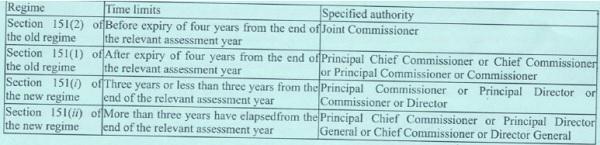
Reassessment Notice Invalid When Section 151 Sanction Taken From PCIT Instead of JCIT: ITAT Raipur
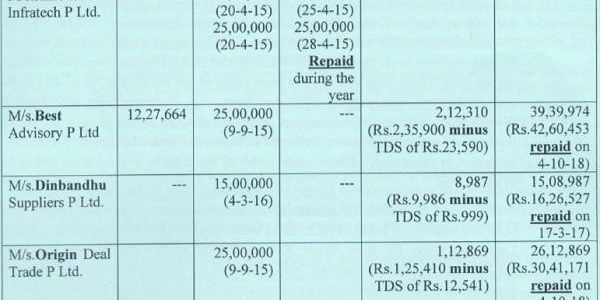
ITAT Raipur Upholds Deletion of ₹1.15 Crore Section 68 Addition on Repaid Loans
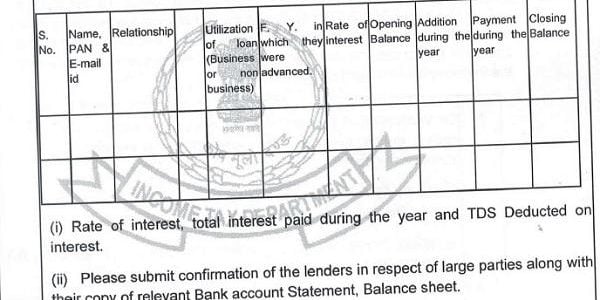
Section 263 Cannot Be Invoked for Inadequate Inquiry or Roving Enquiry: ITAT Raipur
Unexplained Source of Partner Capital Taxable in Partner’s Hands, Not Firm: ITAT Raipur
ITAT Raipur Quashes AY 2017-18 Reassessment for Invalid Section 151 Approval
ITAT Raipur Quashes Assessment for Invalid Section 143(2) Notice & Missing Section 127 Transfer Order
ITAT Raipur case laws and orders deal with appeals arising from assessments and other proceedings under the Income-tax Act. The decisions may involve additions, deductions, exemptions, business income, capital gains, unexplained income, reassessment, TDS, penalties and procedural requirements. Taxpayers, Chartered Accountants, advocates, businesses and consultants can use this page to locate ITAT Raipur judgments relevant to their disputes and research. TaxGuru maintains the collection with recent and important earlier Tribunal decisions published on the website, providing an accessible resource for direct tax case law.

