
Courts: ITAT Delhi
Find latest ITAT Delhi judgments, orders and case laws on income tax covering assessments, transfer pricing, international taxation, deductions, TDS, reassessment and penalties.

ITAT Delhi Remands Advance Write-Off and MAT Credit Claims for Verification
Sponsorship Receipts Do Not Make Golf Association Commercial: ITAT Delhi
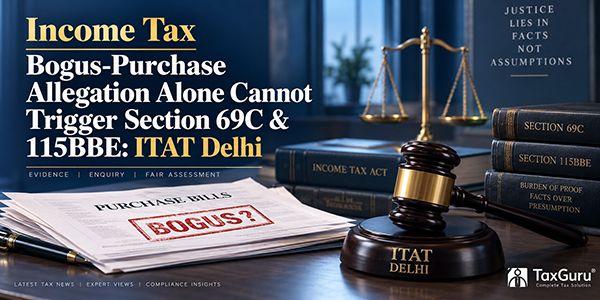
Bogus-Purchase Allegation Alone Cannot Trigger Section 69C & 115BBE: ITAT Delhi

Section 69A: Earlier Loan Repayment Cannot Be Branded Accommodation Entry
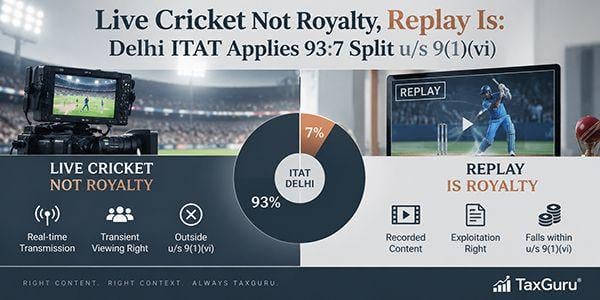
Live Cricket Not Royalty, Replay Is: Delhi ITAT Applies 93:7 Split u/s 9(1)(vi)
Payee’s Tax Payment Can Shield Payer From Section 201 Default: ITAT Delhi
Old Search, New Satisfaction: Delhi ITAT Quashes Section 153C Assessments
Assessment Quashed for Ignoring Section 147/148 After Search
BPO Not KPO: ITAT Rejects Comparables, Deletes 14A Disallowance & Treats Forex as Operating Item
Section 92BA(i) Omission Prospective; Dixon Gets TP and Expenditure Relief
Commission Expense Cannot Be Disallowed Without Verification: ITAT Delhi
ITAT Grants Fresh Opportunity in Ex Parte Assessment as Evidence Was not Considered
Section 153C: Binding Delhi HC Precedent Trumps ITAT’s Contrary View
32-Day Bank Loan Cannot Be Branded Accommodation Entry: ITAT Delhi
ITAT Delhi judgments and orders constitute a substantial body of appellate case law under the Income-tax Act. This page compiles ITAT Delhi decisions concerning assessments, additions, deductions, exemptions, business income, capital gains, transfer pricing, international taxation, TDS, reassessment, unexplained income, penalties, limitation and procedural disputes. Companies, individuals, Chartered Accountants, advocates and tax professionals can use this collection to research Tribunal precedents relevant to income-tax matters. TaxGuru brings together recent and significant earlier ITAT Delhi judgments and orders, providing a convenient resource for following developments in direct tax jurisprudence and researching recurring issues arising in assessments and appeals.

