
Courts: Delhi High Court
Find latest Delhi High Court judgments, orders and case laws on Income Tax, GST, Customs, Company Law, IBC, FEMA and other tax and commercial matters.

Delhi HC admits WP staying special audit under Income Tax
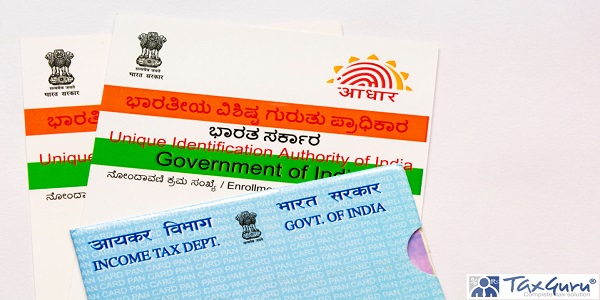
Due date for Aadhaar number seeding with UAN extended by Delhi HC till 30.11.2021

Preventive detention order unsustainable on stale or illusory grounds having no real nexus with past prejudicial activity

HC set aside Faceless Assessment Order as E filing Portal was not working
SVLDRS benefit cannot be availed if Excise Duty amount is neither quantified nor communicated
IT dept undertakes to maintain confidentiality of seized material before HC
No addition u/s 153A in absence of incriminating materials seized at the time of search
Private parties cannot apportion Income Tax liability by private agreement
For Cases admitted by NCLT all proceeding should be concluded by NCLT only
In case two inferences of fact are possible, the one drawn by lower court will not be interfered by HC in second appeal
Assertions can’t be verified in absence of documents like shipping bills for GST refund
Right to avail Transitional Credit not affected due to amendment prescribing ITC time limit
HC directs Income Tax Dept to refund amounts collected in excess of 20% of disputed outstanding taxes

Refund for excess Advance Tax paid in 2001 cannot be claimed in 2021
Delhi High Court judgments and orders constitute a substantial source of jurisprudence on taxation, corporate, commercial and regulatory law. This TaxGuru page compiles Delhi High Court case laws concerning Income Tax, GST, Customs, Company Law, insolvency, FEMA, international taxation, reassessment, TDS, penalties and other business and legal disputes. Companies, taxpayers, Chartered Accountants, advocates and tax professionals can use this collection to research judicial precedents and monitor important legal developments. TaxGuru brings together recent and significant earlier Delhi High Court decisions, supported by case summaries and analysis explaining the principal issues and findings. The page provides a convenient research resource for readers following tax, corporate, commercial and regulatory litigation before the Delhi High Court.

