
Courts: All ITAT
Read latest ITAT judgments and orders on Income Tax, including assessments, deductions, TDS, capital gains, transfer pricing, penalties and other tax disputes.
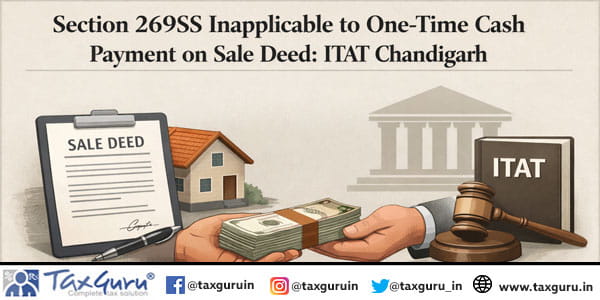
Section 269SS Inapplicable to One-Time Cash Payment on Sale Deed: ITAT Chandigarh

Unexplained Jewellery Addition Scaled Down on Human Probability
Employee Not Liable for Employer’s Failure to Deposit Salary TDS: ITAT Patna

Substantive 80G Claim Revived Despite Inadvertent Filing Mistake
Section 69C Addition Restricted to Estimated Profit of Small Trader

Section 263 Revision Quashed for Lack of Error and Prejudice
Section 14A Disallowance Recomputed After Mutual Fund Exclusion
Delay in Form 10AB Filing Excused Due to Late Grant of Prior Approval
Addition Set Aside for Lack of Cross-Examination Opportunity
Reassessment Quashed for Wrong Approval Under Section 151
Section 143(1) Adjustment Cannot Deny 115BAB Concessional Rate

Reopening Quashed for Non-Supply of Material Relied Upon in Reasons
ITAT Condones 3,100 Days Delay, Appeal Sent Back
Estimated Commission Addition Unsustainable Without Rejecting Books
All ITAT brings together Income Tax Appellate Tribunal judgments and orders from ITAT benches across India. The archive covers income-tax disputes involving assessments and reassessments, business income, deductions, exemptions, capital gains, TDS, transfer pricing, international taxation, penalties, unexplained income, search assessments and other provisions of the Income-tax Act. Chartered Accountants, advocates, tax professionals, businesses and taxpayers can use this consolidated TaxGuru category to research ITAT precedents across different benches and follow developments in income-tax jurisprudence. Individual ITAT bench categories are also available for location-specific decisions.

