
Courts: All ITAT
Read latest ITAT judgments and orders on Income Tax, including assessments, deductions, TDS, capital gains, transfer pricing, penalties and other tax disputes.

ITAT Chennai Restricts Ad Hoc Expense Disallowance to 5% for Petrol Dealer
ITAT Chennai Allows 50% Professional Income Claim Under Section 44ADA
ITAT Chennai Restores 12AB Renewal Application for Fresh Merits Review
ITAT Chennai Quashes AY 2015-16 Reassessment as Time-Barred
Chennai ITAT: Advance AMC Receipts Taxable Over Service Period Under Section 43CB; ₹7.65 Crore Additions Deleted
ITAT Chennai Condones 785-Day Delay and Restores Assessment for Fresh Adjudication
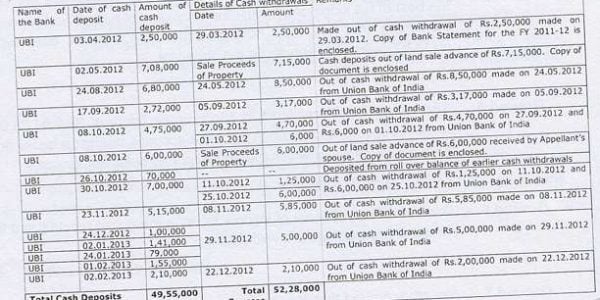
ITAT Dismisses Revenue Appeals, Upholds Cash Deposit Addition Deletion & Penalty Relief

ITAT Restores Section 69A Addition for Fresh Adjudication After Company Confirmation
Hyderabad ITAT: CIT(A) Cannot Ignore Submissions Filed During Physical Hearings

ITAT Deletes ₹2.38 Crore Section 68 Addition, Upholds PF/ESI Disallowance
Hyderabad ITAT: CIT(A) Must Examine Section 249(4)(b) Exemption Claim

TDS Paid Cannot Be Recovered Twice; Delayed Payment Still Attracts Interest: ITAT Mumbai
Hyderabad ITAT Upholds Capital Gain Disallowances, Remands Business Income Error
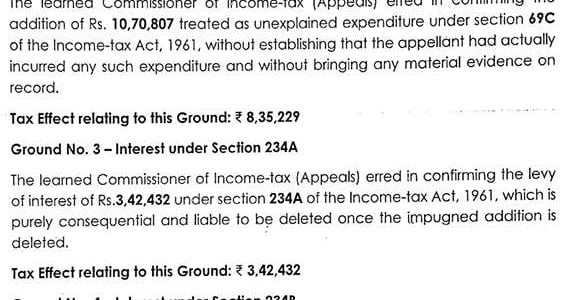
ITAT Deletes Section 69C Addition of Rs. 10.70 Lakh
All ITAT brings together Income Tax Appellate Tribunal judgments and orders from ITAT benches across India. The archive covers income-tax disputes involving assessments and reassessments, business income, deductions, exemptions, capital gains, TDS, transfer pricing, international taxation, penalties, unexplained income, search assessments and other provisions of the Income-tax Act. Chartered Accountants, advocates, tax professionals, businesses and taxpayers can use this consolidated TaxGuru category to research ITAT precedents across different benches and follow developments in income-tax jurisprudence. Individual ITAT bench categories are also available for location-specific decisions.

