
Courts: All ITAT
Read latest ITAT judgments and orders on Income Tax, including assessments, deductions, TDS, capital gains, transfer pricing, penalties and other tax disputes.

No Section 201 TDS Default When SBI Followed Binding HC Order: ITAT Ahmedabad
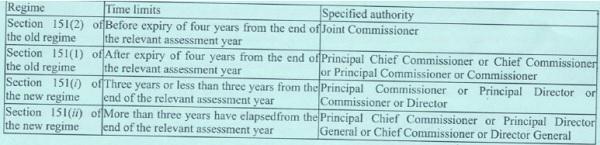
Reassessment Notice Invalid When Section 151 Sanction Taken From PCIT Instead of JCIT: ITAT Raipur

Cash With Mother and Minor Children Cannot Be Rejected Ignoring Social Realities: ITAT Mumbai
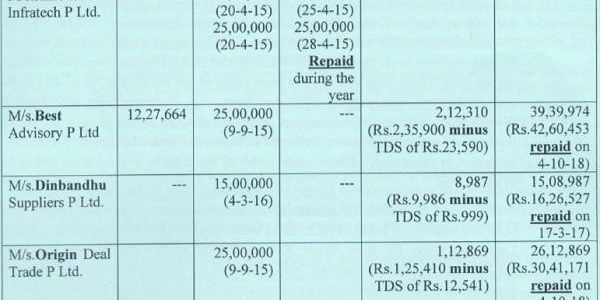
ITAT Raipur Upholds Deletion of ₹1.15 Crore Section 68 Addition on Repaid Loans
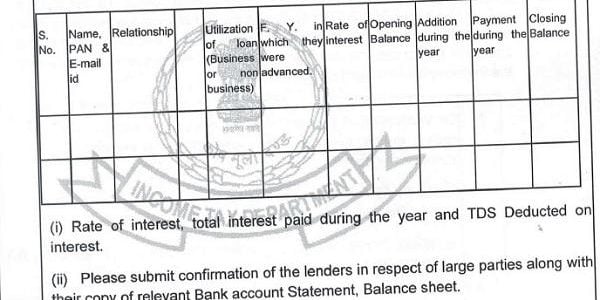
Section 263 Cannot Be Invoked for Inadequate Inquiry or Roving Enquiry: ITAT Raipur
ITAT Ahmedabad Deletes TDS Demand on LTC During Madras HC Stay

Penalty Cannot Survive When Underlying Assessment Is Jurisdictionally Invalid: ITAT Kolkata
Section 271D Penalty Deleted as Co-Sharer Got Relief in Same Transaction: ITAT Ahmedabad

₹14,928 Crore Telecom Operating Expenses Allowable Despite Capitalisation in Books: ITAT Mumbai

ITAT Delhi Denies Section 80G Deduction for CSR, Remands Rental Addition for Verification

CSR Donations Eligible for Section 80G Deduction Despite Statutory Obligation: ITAT Hyderabad

Hyderabad ITAT Allows Section 80G Deduction for CSR Donations

Enhanced Section 115BBE Rate Prospective From AY 2018-19: ITAT Hyderabad
No Advance Tax Liability Claim Must Be Examined Before Rejecting Appeal: ITAT Hyderabad
All ITAT brings together Income Tax Appellate Tribunal judgments and orders from ITAT benches across India. The archive covers income-tax disputes involving assessments and reassessments, business income, deductions, exemptions, capital gains, TDS, transfer pricing, international taxation, penalties, unexplained income, search assessments and other provisions of the Income-tax Act. Chartered Accountants, advocates, tax professionals, businesses and taxpayers can use this consolidated TaxGuru category to research ITAT precedents across different benches and follow developments in income-tax jurisprudence. Individual ITAT bench categories are also available for location-specific decisions.

