
Courts: All ITAT
Read latest ITAT judgments and orders on Income Tax, including assessments, deductions, TDS, capital gains, transfer pricing, penalties and other tax disputes.

ITAT Delhi Allows 80JJAA Deduction for Fixed-Term Employees, Condoning One-Day Form 10DA Delay

ITAT Mumbai Confirms Section 263 Revision on Deemed Rent for AY 2018-19

Non-Compliance With Two Notices Not Enough: Jaipur ITAT Restores Section 12A & 80G Applications

BSNL VRS Compensation Exempt Under Section 10(10B): Ahmedabad ITAT
Expenses After Business Setup but Before Operations Are Deductible: Ahmedabad ITAT
SBI Not Assessee-in-Default for Following HC No-TDS Direction on LTC
Jaipur ITAT Allows Section 87A Rebate on Section 111A STCG for AY 2024-25
Jodhpur ITAT Allows Trust TDS Credit in Trustee’s Form 26AS; Rule 37BA Declaration Procedural
Halwa, Kadha or Tea Can Constitute Charity: ITAT Grants 12AB Registration & 80G Approval
ITAT Jodhpur Restores Section 12AB Application: CIT(E) Must Specify Deficiencies
Section 12AA Registration Cannot Be Denied on Selective Reading: ITAT Jodhpur
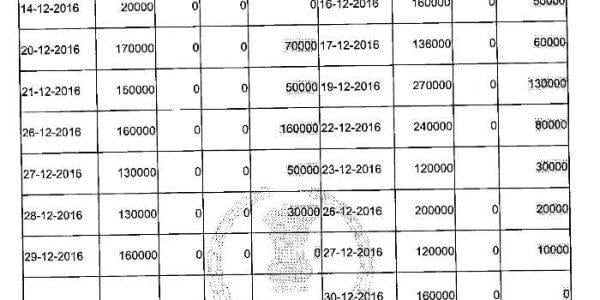
Unauthorized SBN Collection Does Not Make Genuine Cash Sales Unexplained: ITAT Jodhpur
ITAT Jodhpur Deletes ₹68.85 Lakh Demonetisation Cash Addition as Source Explained
Cash Deposits in Bank Account Opened With Forged KYC Cannot Be Taxed: ITAT Delhi
All ITAT brings together Income Tax Appellate Tribunal judgments and orders from ITAT benches across India. The archive covers income-tax disputes involving assessments and reassessments, business income, deductions, exemptions, capital gains, TDS, transfer pricing, international taxation, penalties, unexplained income, search assessments and other provisions of the Income-tax Act. Chartered Accountants, advocates, tax professionals, businesses and taxpayers can use this consolidated TaxGuru category to research ITAT precedents across different benches and follow developments in income-tax jurisprudence. Individual ITAT bench categories are also available for location-specific decisions.

