
Courts: All High Courts
Read latest High Court judgments and orders on Income Tax, GST, Customs, Company Law and other taxation, corporate, commercial and regulatory matters.

Delhi High Court Dismisses Gold Confiscation Writ, Grants Customs Revision Liberty

Delhi HC directs Customs adjudication before deciding release of detained gold bars
Delhi HC Upholds Gold Detention Where Petitioner’s Own Records Disputed SCN Non-Compliance

Kerala HC Directs Reconsideration of ITC Denial for Financial Years 2018-21

Reassessment Void for Absence of Mandatory Section 143(2) Notice: Gujarat HC
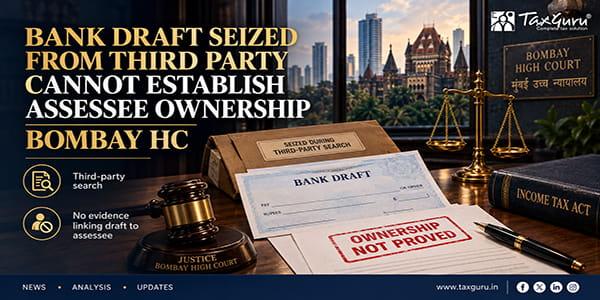
Bank Draft Seized From Third Party Cannot Establish Assessee Ownership: Bombay HC

Delayed GST Appeal Restored for Merits Hearing: Rajasthan HC
Delayed GST Appeal Restored Despite Statutory Limitation: Rajasthan HC

Excise Act Section 11BB Interest Mandatory on Delayed Refunds: Bombay HC

CENVAT Refund Cannot Be Denied for No Nexus Without Rule 14 Proceedings: Telangana HC

Delhi HC mandates biometric Aadhaar authentication for all GST registrations nationwide
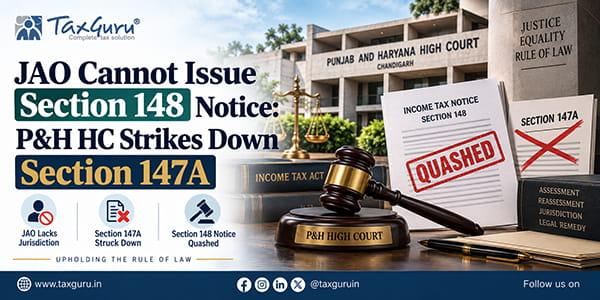
JAO Cannot Issue Section 148 Notice: P&H HC Strikes Down Section 147A
Telangana HC Quashes Reassessment Notices Sent After 31 March 2021 as Time-Barred

Multiple Dishonoured Cheques Can Be Covered in One Complaint: Karnataka HC
All High Courts brings together judgments and orders of High Courts across India published on TaxGuru. The archive covers Income Tax, GST, Customs, Company Law, Corporate Law, insolvency, commercial laws and other taxation and regulatory matters. Readers can research important questions of law, constitutional challenges, writ petitions, statutory appeals and other proceedings decided by different High Courts. Chartered Accountants, advocates, tax professionals, businesses and legal researchers can use this consolidated archive to follow High Court jurisprudence across India. Separate High Court categories are available for court-specific judgments and orders.

