
Courts: All High Courts
Read latest High Court judgments and orders on Income Tax, GST, Customs, Company Law and other taxation, corporate, commercial and regulatory matters.

Goods and Vehicle Released Against Bank Guarantee: Rajasthan High Court

GST Appeal Rejection Without Hearing Violates Natural Justice: Bombay HC

GST Portal to Be Activated Within 48 Hours If Registration Found Bona Fide: Calcutta HC
Priority Consideration Does Not Guarantee Stage Carriage Permit: Calcutta HC

Physical GST Revocation Filing Allowed if Online Filing Fails: Telangana HC

Uttarakhand HC Quashes GST Cancellation Based on Vague Fraud Charge

Madras High Court Allows SEZ Refund of ISD-Distributed IGST Credit

Delhi HC Declines Interference in GST Audit File Transfer to Anti-Evasion Wing

Same GST Officer Cannot Audit and Adjudicate: Karnataka HC

Rule 68B Cannot Revive Time-Barred Property Sale Proceedings: Madras HC
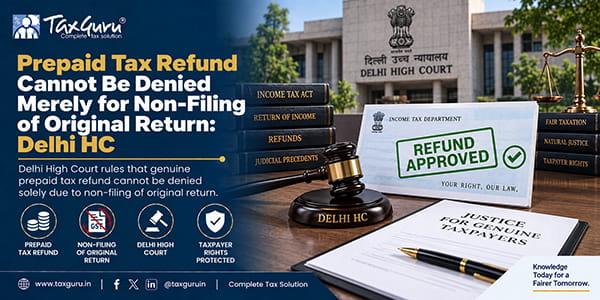
Prepaid Tax Refund Cannot Be Denied Merely for Non-Filing of Original Return: Delhi HC
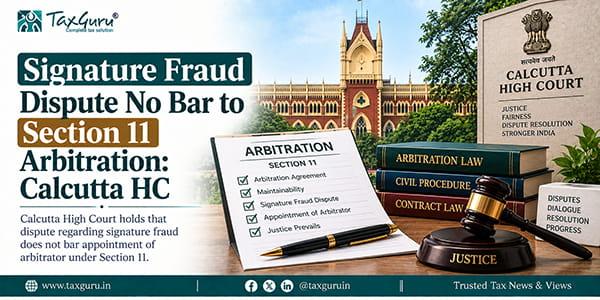
Signature Fraud Dispute No Bar to Section 11 Arbitration: Calcutta HC

Bombay HC Orders Release of Goods After GST Prohibition Period Ends

Madras HC Allows GST Registration Revival Subject to Tax Compliance
All High Courts brings together judgments and orders of High Courts across India published on TaxGuru. The archive covers Income Tax, GST, Customs, Company Law, Corporate Law, insolvency, commercial laws and other taxation and regulatory matters. Readers can research important questions of law, constitutional challenges, writ petitions, statutory appeals and other proceedings decided by different High Courts. Chartered Accountants, advocates, tax professionals, businesses and legal researchers can use this consolidated archive to follow High Court jurisprudence across India. Separate High Court categories are available for court-specific judgments and orders.

