

Articles by this Author
Income Tax
Income Tax
Vivad se Vishwas Opt-Out Does Not Bar Tax Appeal: ITAT Decision
Income Tax
Income Tax
Section 96 Overrides Income Tax for Post-2014 Land Acquisitions
Income Tax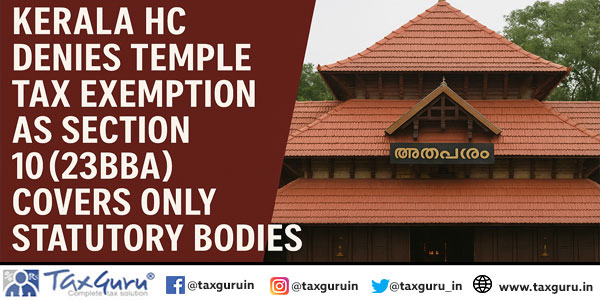
Income Tax
Kerala HC Denies Temple Tax Exemption as Section 10(23BBA) Covers Only Statutory Bodies
Income Tax
Income Tax
Mother–Son Gifted Land Misinterpreted as Sale: ITAT Delhi Remands Case to CIT(A)
Income Tax
Income Tax
Income Tax Appeals Filed Before Wrong Bench Dismissed with Liberty to Refile
Income Tax
Income Tax
TDS Demand Deleted as Section 201 Proceedings Filed Beyond Limitation: ITAT Delhi
Income Tax
Income Tax
Cash Addition Reduced: ITAT Cuts Ad Agency Profit Estimate from 8% to 5%
Corporate Law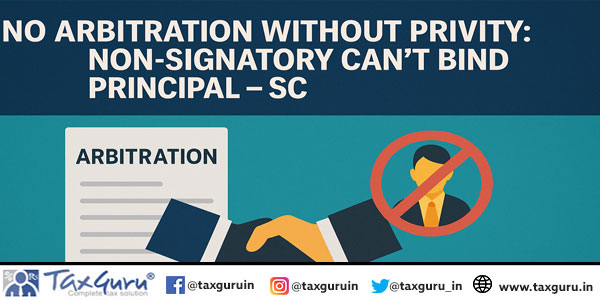
Corporate Law
No Arbitration Without Privity: Non-Signatory Can’t Bind Principal – SC
Income Tax
Income Tax
Faceless Assessment Prevails: JAO’s Reassessment Notice Invalid, Revival If SC amends Law
Income Tax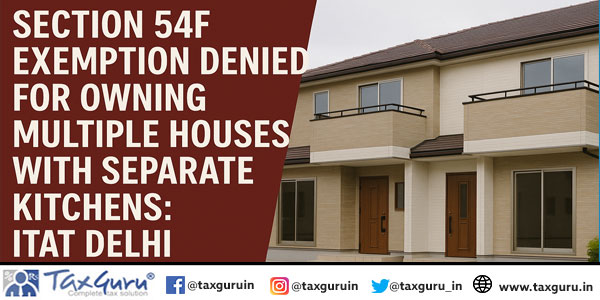
Income Tax
Section 54F Exemption Denied for Owning Multiple Houses with Separate Kitchens: ITAT Delhi
Income Tax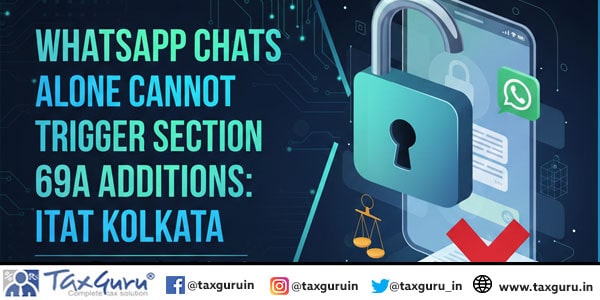
Income Tax
WhatsApp Chats Alone Cannot Trigger Section 69A Additions: ITAT Kolkata
Income Tax
Income Tax
Same-Day 153D Approval Invalidates Section 153A Assessments
Income Tax
Income Tax
AO Mistake on ROI Leads to Section 54F Reassessment Remand
Income Tax
Income Tax

