
Day: June 17, 2026
117 articlesCompany Law
Company Law
Incorrect AOC-4 Shareholding Disclosure Leads to ₹15,000 Penalty
Company Law
Company Law
Incorrect DPT-3 Filing on ₹48.96 Crore OCDs Attracts ₹1.26 Lakh Penalty
Company Law
Company Law
Penalty Imposed for Incorrect MGT-7A Shareholding Filing: ROC Hyderabad
Company Law
Company Law
Penalty Imposed for Incorrect MGT-7A Shareholding Filing
Company Law
Company Law
Incorrect DPT-3 Filing on ₹48.96 Crore OCDs Leads to ₹1.50 Lakh Penalty
Company Law
Company Law
Incorrect DPT-3 Filing for ₹48.96 Crore OCDs Attracts ₹1.22 Lakh Penalty
Income Tax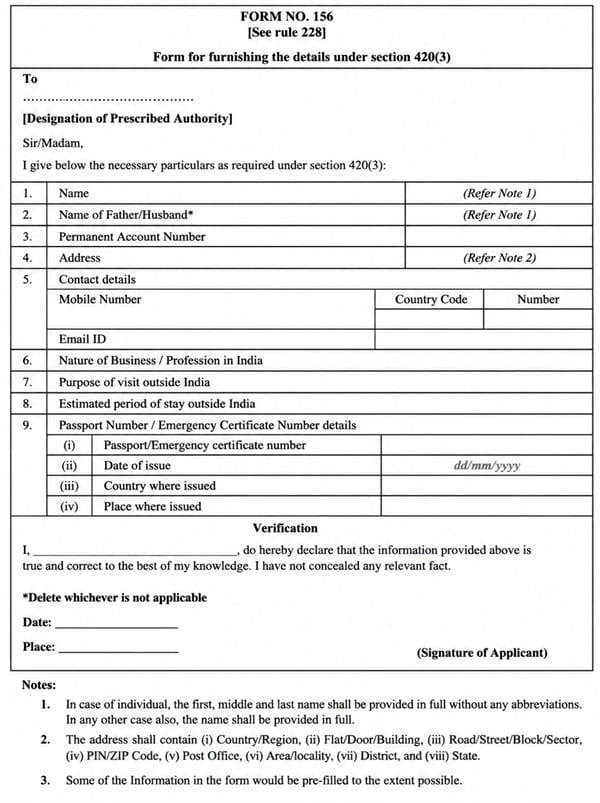
Income Tax
New Income Tax Form 156 Mandatory for Foreign Travel
Income Tax
Income Tax
No Section 69A Addition on Cash Deposits Recorded in Audited Books Where Source Is Explained
Income Tax
Income Tax
ITAT Deletes ₹76.45 Crore TP Addition as CCDs Cannot Be Recharacterized as Equity
Income Tax
Income Tax
ITAT Grants Fresh Hearing but Imposes Cost as Different Email Does Not Excuse Earlier Non-Compliance
Income Tax
Income Tax
ITAT Partly Allows TP Appeal, Revises Comparable Selection for ALP Determination
Income Tax
Income Tax
Goodwill Depreciation Denied as Business Transfer Agreement Was Unsigned & Unregistered
Income Tax
Income Tax
ITAT Upholds Demonetisation Cash Deposit as Because No Cash Book or Sales Evidence Produced
Corporate Law
Corporate Law

