
Type: Trending
3,627 articlesGoods and Services Tax
Goods and Services Tax
Partners Liable for GST Penalty if They Benefited from Tax Evasion: Gauhati HC
Income Tax
Income Tax
Daughter’s Bank Account Can’t Be Frozen for Father’s Tax Dues: Telangana HC
Goods and Services Tax
Goods and Services Tax
ITC Cannot Be Denied Merely Due to Supplier’s Failure to Deposit GST: Gauhati HC
Income Tax
Income Tax
Sales Accepted, Books Not Rejected: ITAT Cuts Bogus Purchase Addition to 5%
Income Tax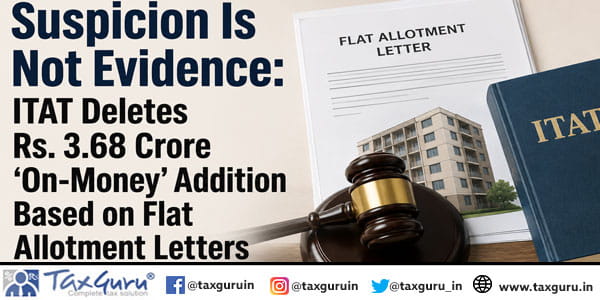
Income Tax
Suspicion Is Not Evidence: ITAT Deletes Rs. 3.68 Crore ‘On-Money’ Addition Based on Flat Allotment Letters
Income Tax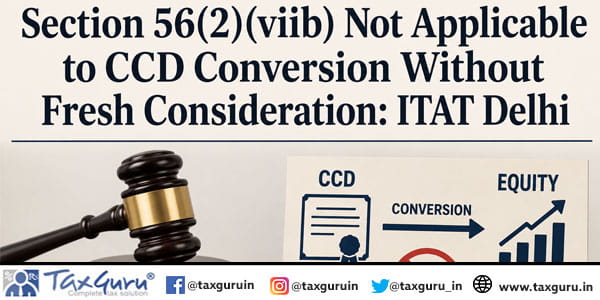
Income Tax
Section 56(2)(viib) Not Applicable to CCD Conversion Without Fresh Consideration: ITAT Delhi
Income Tax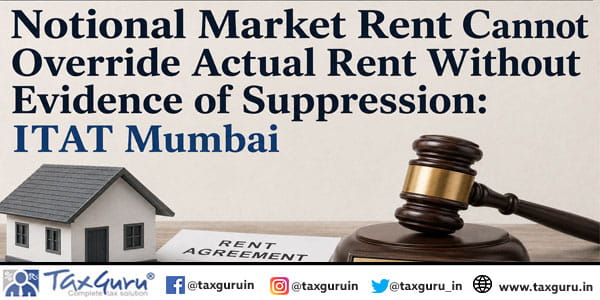
Income Tax
Notional Market Rent Cannot Override Actual Rent Without Evidence of Suppression: ITAT Mumbai
Income Tax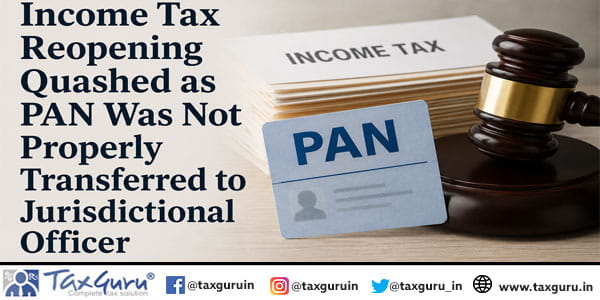
Income Tax
Income Tax Reopening Quashed as PAN Was Not Properly Transferred to Jurisdictional Officer
Income Tax
Income Tax
ITAT Quashes Reassessment as Reasons Recorded for Section 148 Notice Were Unsigned
Income Tax
Income Tax
Excess Stock Found During Survey Is Business Income, Not Deemed Income u/s 69A: Bangalore ITAT
Income Tax
Income Tax
Bogus Purchase Addition Can’t Be 100% When Sales Are Accepted: ITAT Mumbai
Income Tax
Income Tax
Delhi HC Upholds LTCG Addition on Extraordinary 4910% Returns from Penny Stock
Income Tax
Income Tax
No GP Addition if No Specific Defects Found in Books of Account: ITAT Delhi
Income Tax
Income Tax

