
Type: Trending
3,627 articlesIncome Tax
Income Tax
Section 194B Online Gaming Threshold Applies Per Payment, Not Aggregate Winnings: ITAT Mumbai
Goods and Services Tax
Goods and Services Tax
Rajasthan HC Condones GST Appeal Delay Due to Daughter’s Marriage & Late Knowledge of Demand
Income Tax
Income Tax
Priests’ Maintenance Qualifies for Section 11(2) Accumulation: ITAT Hyderabad
Goods and Services Tax
Goods and Services Tax
GST Department Cannot Retain Records After Search Authorization Withdrawn: Madras HC
Income Tax
Income Tax
No Bar for Bengali Hindu to Form HUF Under Dayabhaga Law: ITAT Deletes Addition
Goods and Services Tax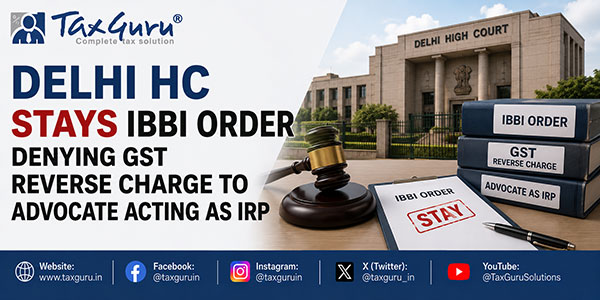
Goods and Services Tax
Delhi HC Stays IBBI Order Denying GST Reverse Charge to Advocate Acting as IRP
Income Tax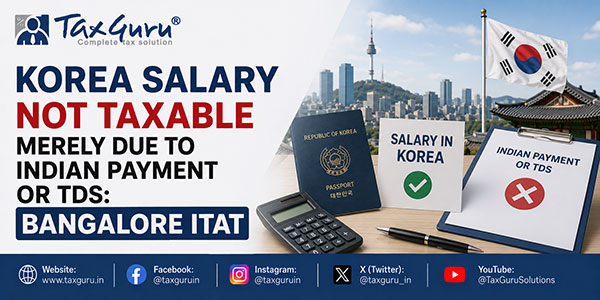
Income Tax
Korea Salary Not Taxable Merely Due to Indian Payment or TDS: Bangalore ITAT
Income Tax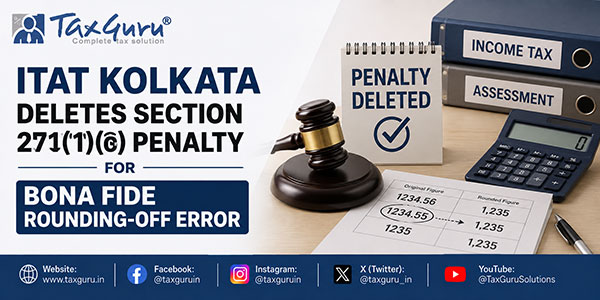
Income Tax
ITAT Kolkata Deletes Section 271(1)(c) Penalty for Bona Fide Rounding-Off Error
Income Tax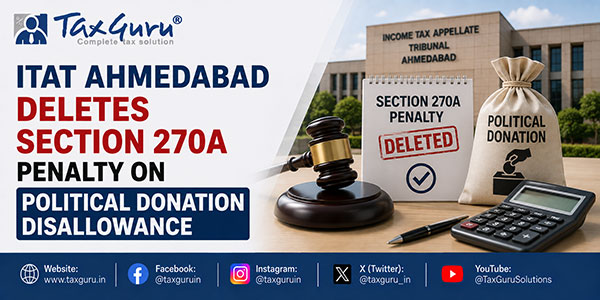
Income Tax
ITAT Ahmedabad Deletes Section 270A Penalty on Political Donation Disallowance
Goods and Services Tax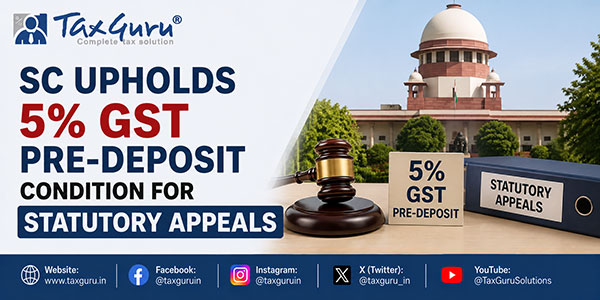
Goods and Services Tax
SC Upholds 5% GST Pre-Deposit Condition for Statutory Appeals
Income Tax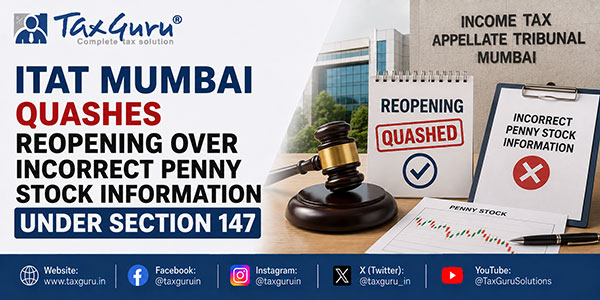
Income Tax
ITAT Mumbai Quashes Reopening Over Incorrect Penny Stock Information Under Section 147
Income Tax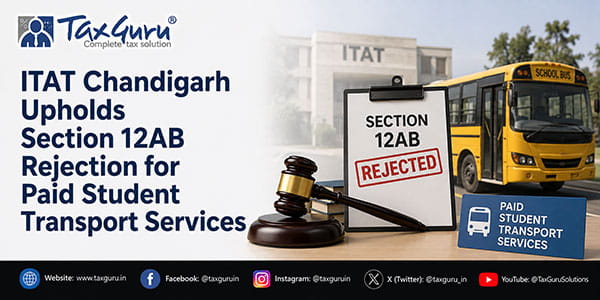
Income Tax
ITAT Chandigarh Upholds Section 12AB Rejection for Paid Student Transport Services
Income Tax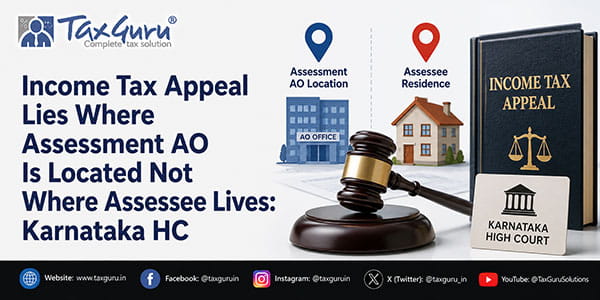
Income Tax
Income Tax Appeal Lies Where Assessment AO Is Located Not Where Assessee Lives: Karnataka HC
Company Law
Company Law

