
Type: Trending
3,627 articlesIncome Tax
Income Tax
Mumbai ITAT Allows Sections 54 & 54F Exemptions for Two Amalgamated Flats
Goods and Services Tax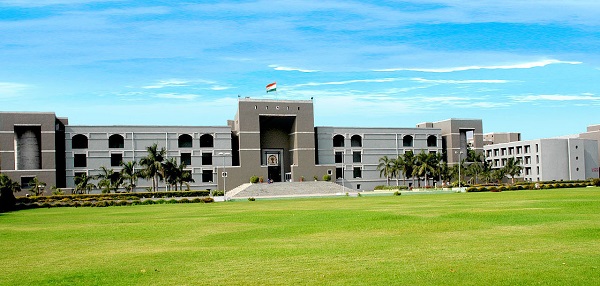
Goods and Services Tax
Gujarat HC Quashes Income Tax Assessment for Giving Only One Day to Respond
Income Tax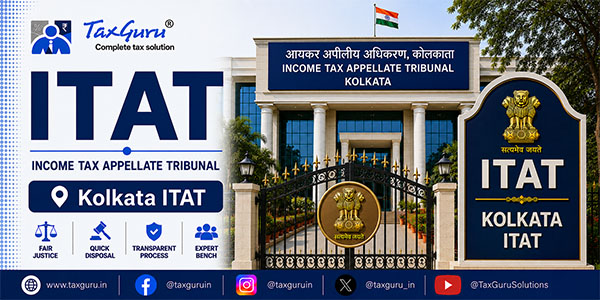
Income Tax
Kolkata ITAT: Sundry Creditors Not Bogus Without Specific Notice; Reassessment Ordered
Income Tax
Income Tax
Kolkata ITAT: ₹36.53 Crore Accommodation Entries Taxable Only at 0.15% Commission
Income Tax
Income Tax
Jaipur ITAT: Section 87A Rebate Allowed on Section 111A STCG for AY 2024-25
Income Tax
Income Tax
Delhi ITAT Quashes Section 153C Assessment: Belated Satisfaction Note Vitiates Jurisdiction
Goods and Services Tax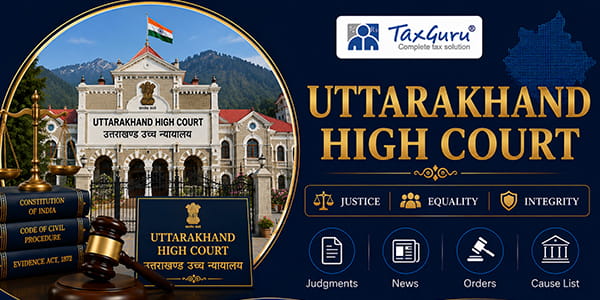
Goods and Services Tax
Uttarakhand HC Holds Portal-Only GST Notice Service Insufficient After Registration Cancellation
Income Tax
Income Tax
Registration of Religious Society Allowed Despite 34-Year Delay: P&H HC
Income Tax
Income Tax
Kolkata ITAT Upholds Bogus LTCG Findings Based on Penny Stock Transactions
Income Tax
Income Tax
Low Tax Effect Bars Revenue Appeal Despite State Sales Tax Information: Pune ITAT
Income Tax
Income Tax
Section 68 Addition Deleted as Loans Were Repaid Within Same Year: Gujarat HC
Corporate Law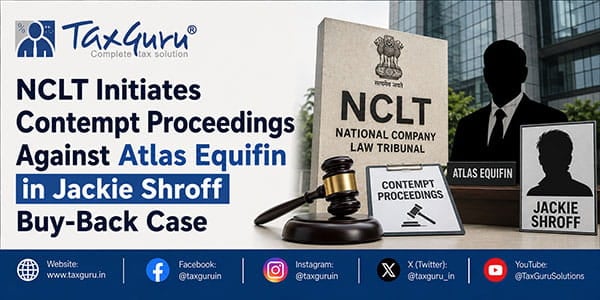
Corporate Law
NCLT Initiates Contempt Proceedings Against Atlas Equifin in Jackie Shroff Buy-Back Case
Goods and Services Tax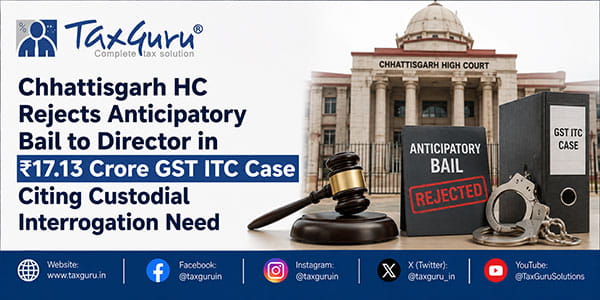
Goods and Services Tax
Chhattisgarh HC Rejects Anticipatory Bail to Director in ₹17.13 Crore GST ITC Case Citing Custodial Interrogation Need
Income Tax
Income Tax

