
Type: Notifications/Circulars
Find latest notifications, circulars, instructions, orders, guidelines, directions, press releases and regulatory updates across tax, corporate, finance and business laws.

Karnataka Police Issues Guidelines for FIRs Arising From Social Media Posts

Mandatory Capacity Building Training Made Optional for Practicing Cost Accountants: ICMAI

RBI Commercial Banks Minimum Capital Requirements for Market Risk Directions, 2026

Karnataka Police Mandates Strict Section 35 BNSS Compliance for Arrests
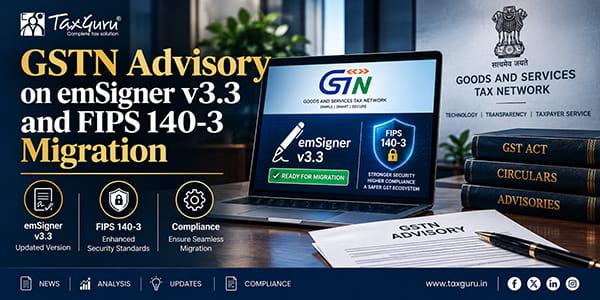
GSTN Advisory on emSigner v3.3 and FIPS 140-3 Migration

NeSL Regulatory Information Exempt from RTI Disclosure Due to Fiduciary Relationship: IBBI

PFRDA NPS Swasthya 2026: Operational Guidelines for NPS and Health Benefits

Customs Instruction 16/2026 Adds ICD Dhanakya as Food Import Entry Point
RBI Amends Rural Co-operative Banks KYC Directions to Extend Certified Copy Facility to FPIs
RBI Amends Urban Co-operative Banks KYC Directions to Extend Certified Copy Facility to FPIs
RBI Amends Regional Rural Banks KYC Directions to Extend Certified Copy Facility to FPIs

Certified KYC Copy Facility Extended to FPIs by Local Area Banks
Certified KYC Copy Facility Extended to FPIs by Small Finance Banks
Certified KYC Copy Facility Extended to FPIs: RBI Amendment Directions 2026
Notifications/Circulars is TaxGuru’s central archive of statutory, departmental and regulatory documents. It brings together notifications, circulars, instructions, guidelines, orders, master circulars, master directions, press releases, public notices, regulations and trade notices covering Income Tax, GST, Customs, Company Law, Corporate Law, DGFT, Excise, Service Tax, FEMA/RBI, SEBI, finance and professional matters concerning CA, CS and CMA. Readers can use the archive and its existing subcategories to locate official and regulatory developments relevant to different subjects covered by TaxGuru.

