
Type: Articles
Read latest TaxGuru articles on Income Tax, GST, Company Law, Finance, Customs, Corporate Law, FEMA, SEBI and other tax and business topics.

Revocation of Cancelled GST Registration under Section 30

Finance Bill 2024 Proposes Changes to Input Service Distributor: A New Time Bomb Ticking

ISD vs Cross Charge: The Budget Twist


Writ jurisdiction of the High Courts and doctrine of alternate remedy

Proposed Penal Provision For Non Registration of Machines In GST
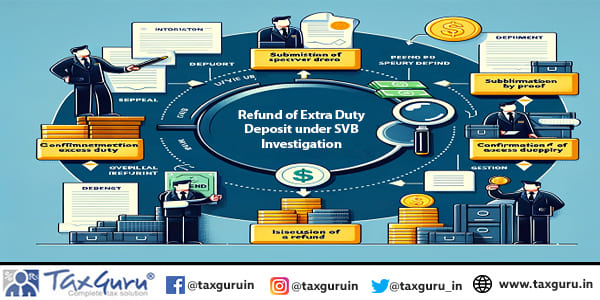

Assessee Allowed Withdrawal from Frozen Bank Account for Appeal Filing

Assessee Eligible for ITC on Rooftop Solar System used in Business furtherance

GST: No penalty for mere technical errors lacking any intent to evade tax
Articles on TaxGuru provide practical analysis, commentary and explanations across taxation, finance, corporate and business laws. This category brings together articles on Income Tax, GST, Company Law, Corporate Law, Customs, DGFT, Excise, Service Tax, FEMA/RBI, SEBI, finance and professional matters concerning CA, CS and CMA. Readers can explore contributions discussing statutory provisions, compliance requirements, regulatory changes, professional developments and practical issues affecting taxpayers and businesses. Chartered Accountants, Company Secretaries, Cost Accountants, advocates, tax professionals, businesses and taxpayers can use this archive to discover recent articles as well as useful earlier reference material published on TaxGuru.

