
Courts: ITAT Mumbai
Find latest ITAT Mumbai judgments, orders and case laws on income tax covering assessments, transfer pricing, international taxation, capital gains, TDS, reassessment and penalties.

Mumbai ITAT Quashes Section 263 Revision on ₹19.64 Crore Bad-Debt Write-Off

ITAT Mumbai Confirms Section 263 Revision on Deemed Rent for AY 2018-19

Cash With Mother and Minor Children Cannot Be Rejected Ignoring Social Realities: ITAT Mumbai
₹14,928 Crore Telecom Operating Expenses Allowable Despite Capitalisation in Books: ITAT Mumbai
Unconventional Business Payment Cannot Be Branded a Sham: Mumbai ITAT
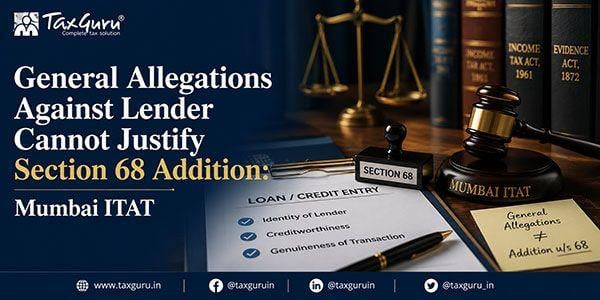
General Allegations Against Lender Cannot Justify Section 68 Addition: Mumbai ITAT
Mumbai ITAT Upholds ₹176.26 Crore Section 69A Addition for Unproved Diamond Sales
Section 40(a)(i) Disallowance Cannot Be Decided Before Section 201 Appeal: ITAT Mumbai
Reimbursement Receipts Cannot Justify Proportionate TDS Credit Denial: Mumbai ITAT
Allotment Letter Can Be “Agreement” for Section 56 Valuation: Mumbai ITAT
Mumbai ITAT Cancels Section 271(1)(c) Penalty for Mere Change in Head of Income
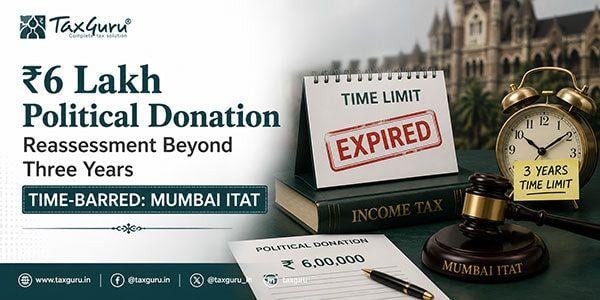
₹6 Lakh Political Donation Reassessment Beyond Three Years Time-Barred: Mumbai ITAT
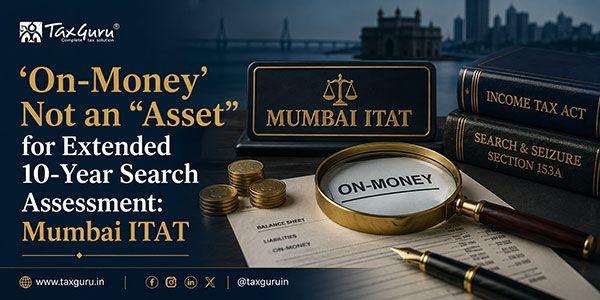
‘On-Money’ Not an “Asset” for Extended 10-Year Search Assessment: Mumbai ITAT
Interest on Unsold Flats Is Revenue Expense After Project Completion: ITAT Mumbai
ITAT Mumbai judgments and orders represent an extensive body of income-tax appellate jurisprudence covering individuals, businesses, companies and other taxpayers. This TaxGuru page brings together decisions relating to assessments, additions, deductions, exemptions, business income, capital gains, transfer pricing, international taxation, TDS, reassessment, unexplained income, penalties and procedural disputes. Chartered Accountants, advocates, companies, taxpayers and tax professionals can use this collection to research ITAT Mumbai precedents and follow important developments under the Income-tax Act. The page includes recent as well as significant earlier Tribunal decisions published on TaxGuru, providing a comprehensive reference point for direct tax case-law research and appellate practice.

