
Courts: ITAT Mumbai
Find latest ITAT Mumbai judgments, orders and case laws on income tax covering assessments, transfer pricing, international taxation, capital gains, TDS, reassessment and penalties.

Mumbai ITAT Condones 1,289-Day Delay, Cites Non-Communication of Tax Orders
ITAT Quashes Section 263 Revision Over CSR Deduction u/s 80G

Wrong Signature, Dead Reopening: PCIT Approval Cannot Pass Section 151(ii) Gate
Paper Trail Beats Entry-Operator Tale: Mumbai ITAT Deletes ₹60-Lakh Addition u/s 68
ITAT Treats ₹7.46-Crore Emaar Rights Loss as Capital, Remands Cost Working
One Flat, Two Owners, One Inflated Addition: ITAT Sends Section 56(2)(x) Valuation to DVO
Section 10AA Deduction & ₹19.19 Crore TP Adjustments Remanded: ITAT Mumbai
SBN Loan Repayments Not Unexplained Cash Credits Under Section 68: ITAT Mumbai Deletes Addition
ITAT Mumbai Rejects ₹51.99 Lakh WhatsApp Addition Due to Inconsistent Decoding
ITAT Deletes ₹12.99 Crore TP Adjustment on Captive Power Under Section 80-IA
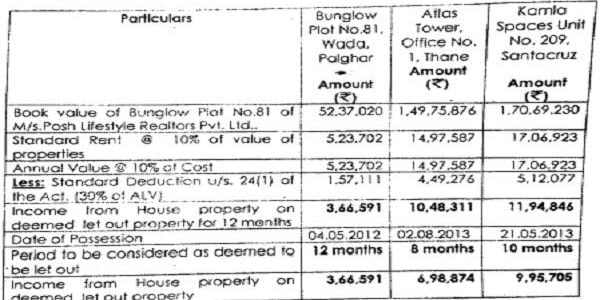
ITAT Mumbai Deletes Deemed Rent Addition on Unsold Stock-in-Trade for AY 2014-15
ITAT Mumbai Deletes Section 271(1)(c) Penalty Where Reassessment Made No Addition
Reconciled Third-Party Ledger Differences Cannot Be Taxed Under Section 69A: Mumbai ITAT
Section 10AA & TP Interlinked: Mumbai ITAT Orders Fresh SEZ Profit Examination
ITAT Mumbai judgments and orders represent an extensive body of income-tax appellate jurisprudence covering individuals, businesses, companies and other taxpayers. This TaxGuru page brings together decisions relating to assessments, additions, deductions, exemptions, business income, capital gains, transfer pricing, international taxation, TDS, reassessment, unexplained income, penalties and procedural disputes. Chartered Accountants, advocates, companies, taxpayers and tax professionals can use this collection to research ITAT Mumbai precedents and follow important developments under the Income-tax Act. The page includes recent as well as significant earlier Tribunal decisions published on TaxGuru, providing a comprehensive reference point for direct tax case-law research and appellate practice.

