
Courts: ITAT Chennai
Find latest ITAT Chennai judgments, orders and case laws on income tax covering assessments, deductions, transfer pricing, capital gains, TDS, reassessment and penalties.

ITAT Chennai Allows Goodwill Depreciation & Land Development Deduction as Revenue Expenditure
Forex Loss on Capital ECB Converted into Equity Is Capital Loss, Not Revenue Deduction: ITAT Chennai
ITAT Chennai Deletes Domestic TP Adjustment Under Section 92BA(i) After Omission
ITAT Chennai: SBI Not Assessee in Default – HC Interim Order Barred TDS on Foreign LFC
ITAT Chennai Deletes Domestic TP Adjustment Under Omitted Section 92BA(i)
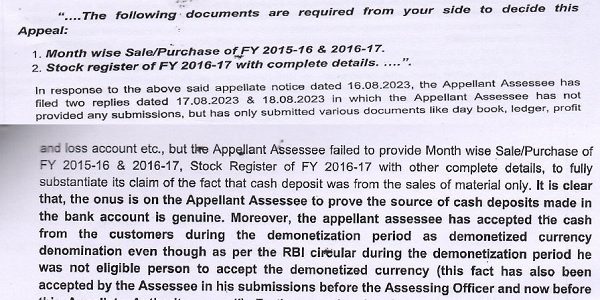
ITAT Chennai Deletes Section 69A Addition Cash Deposit Supported by Business Records
ITAT Chennai Quashes Section 153C Notices as Seized Material Received After 1st April 2021

Demonetisation Cash Deposits from Recorded Sales Not Taxable under Section 115BBE: ITAT Chennai
ITAT Chennai Deletes ₹24 Cr ICDS Adjustment Made by CPC Under Section 143(1)
ITAT Chennai Deletes Section 69A Addition on Explained SBN Deposits During Demonetisation
ITAT Chennai: CIT(A) Should Have Condoned 23-Day Delay & Decided Appeal on Merits
ITAT Chennai Excludes Goodwill Amortization from Operating Cost in TP Case
Chennai ITAT: Loose Diary Entries Cannot Justify Additions Without Corroboration
ITAT Chennai Quashes Section 153C Assessments, Restricts Addition to 2% Profit Estimation
ITAT Chennai judgments and orders address a wide range of income-tax disputes involving individuals, businesses and corporate taxpayers. This TaxGuru page compiles ITAT Chennai case laws relating to assessments, deductions, exemptions, business income, capital gains, transfer pricing, international taxation, TDS, reassessment, unexplained income, penalties and procedural matters. Chartered Accountants, advocates, taxpayers and tax professionals can use the collection to research Tribunal precedents and follow developments in income-tax jurisprudence. The page includes recent as well as significant earlier ITAT Chennai decisions published on TaxGuru for convenient direct tax research.

